What Are the Ideal Bromine Levels for Hot Tubs?
Maintaining the correct concentration of sanitizer is essential for keeping your water safe and clear. The target bromine levels vary depending on whether you rely solely on chemical sanitation or use a hybrid system.
For a standard residential hot tub, the goal is to maintain a consistent residual level to ensure continuous disinfection. However, if your hot tub is equipped with supplemental technologies, such as an ozone generator or a mineral system, the required chemical residual is lower because these systems assist in the sanitation process.
To ensure the bromine works effectively, you must also manage the pH balance. While bromine is more resilient to pH fluctuations than other sanitizers, keeping the water within a specific range prevents skin irritation and protects the equipment from corrosion or scaling.
| System Type | Target Bromine Level | Ideal pH Range |
|---|---|---|
| Standard Bromine System | 3.0 to 5.0 ppm | 7.2 to 7.8 |
| Ozone or Mineral Systems | 1.0 to 3.0 ppm | 7.2 to 7.8 |
Why Bromine Is Well-Suited for Hot Water and High pH
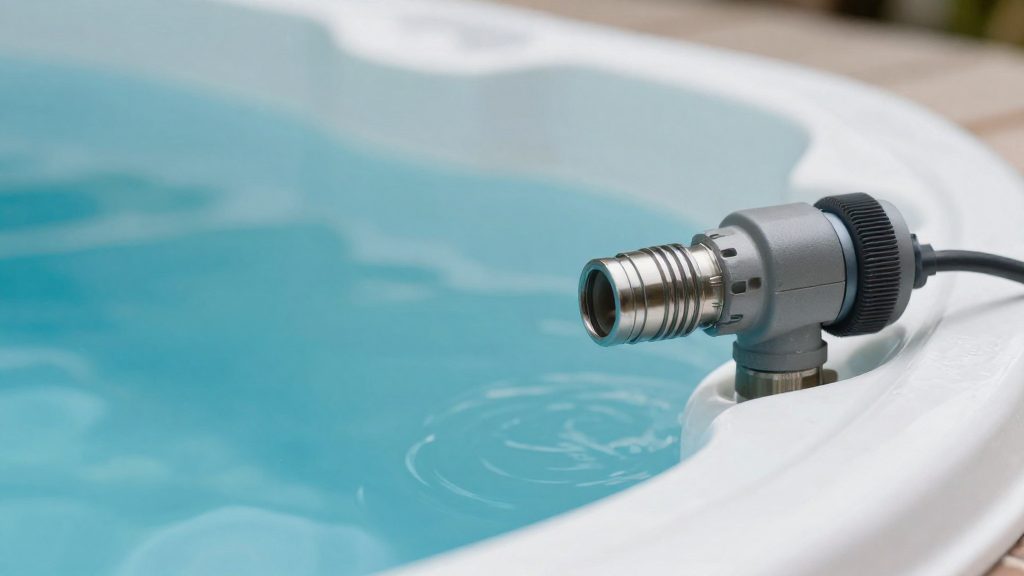
Bromine is often the preferred choice for residential spas due to its inherent chemical stability. Unlike other sanitizers that degrade rapidly when exposed to heat, bromine is more heat-stable, meaning it remains active and effective even when the water is kept at typical hot tub temperatures. This stability ensures a consistent level of disinfection without the need for constant replenishment.
Another significant advantage is how bromine performs as the water chemistry shifts. In many hot tubs, pH levels can fluctuate or drift upward. While some sanitizers lose most of their power as pH rises, bromine retains a high level of sanitizing efficacy even at higher pH levels. This makes the water chemistry more forgiving and reduces the frequency of corrective pH adjustments.
The following table summarizes the primary advantages of using bromine in high-temperature environments:
| Feature | Bromine Performance | Benefit for Hot Tub Owners |
|---|---|---|
| Thermal Stability | High resistance to heat degradation | Longer-lasting sanitizer in hot water |
| pH Flexibility | Effective at elevated pH levels | More stable disinfection during pH drifts |
| Persistence | Remains active longer in the water | Reduced need for frequent dosing |
By maintaining a bromide bank, owners can ensure that the system has a reserve of ions ready to be activated, providing a reliable defense against contaminants in the warm, enclosed environment of a spa.
How to Establish a Bromide Bank in Fresh Spa Water
When filling a hot tub for the first time or after a complete drain, you must create a bromide bank. Unlike chlorine, which is added as an active sanitizer, bromine systems often rely on a reservoir of bromide ions that can be repeatedly activated and reused.
To establish this bank, you start by adding granular sodium bromide to the fresh water. This process introduces a baseline of bromide ions into the water column, which act as the raw material for your sanitization system. However, these ions are not active sanitizers on their own; they are dormant and will not kill bacteria or algae until they are triggered.
The final step is the activation process. You must introduce an oxidizer, such as a non-chlorine shock or sodium dichlor, to convert the dormant bromide ions into active hypobromous acid. Once activated, the bromine begins to sanitize the water.
| Step | Action | Purpose |
|---|---|---|
| 1 | Add sodium bromide | Create a reservoir of bromide ions |
| 2 | Apply oxidizer shock | Activate ions into free bromine |
| 3 | Test water | Verify the active bromine level |
How to Raise Low Bromine Levels
When your tests indicate that bromine levels have dropped, the method for restoration depends on whether you are treating a freshly filled hot tub or maintaining an existing system.
For a new fill, you must first establish a bromide bank.
Once the bank is established, or when levels dip in an active hot tub, you must use an oxidizer shock to activate the bromide ions into active free bromine. Common options include non-chlorine shock, such as potassium monopersulfate, or sodium dichlor. This process not only raises the active sanitizer level but also removes organic contaminants left behind by bathers.
To maintain consistency, follow these general application methods:
| Method | Application | Primary Purpose |
|---|---|---|
| Granular Sodium Bromide | Direct addition to water | Establishing the bromide reservoir |
| Non-Chlorine Shock | Periodic dosing | Activating bromine and oxidizing waste |
| Bromine Tablets | Floating dispenser | Maintaining steady daily levels |
How to Lower High Bromine Levels
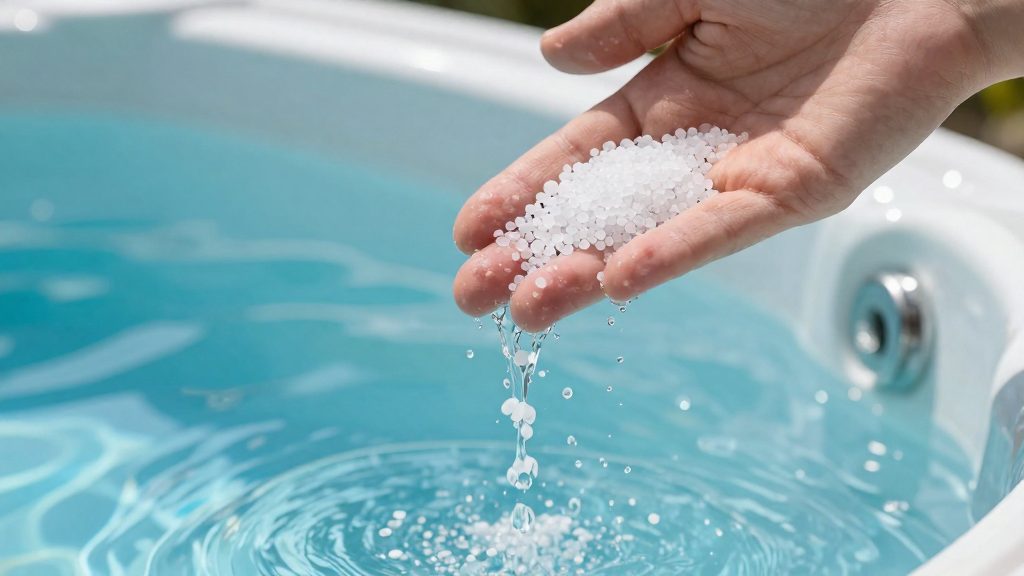
If your tests indicate that bromine levels have exceeded the recommended range, you must take action to prevent skin irritation and protect your equipment. Depending on how high the levels are, you can choose between natural dissipation or chemical intervention.
The most straightforward methods involve reducing the concentration of the sanitizer through water replacement or exposure.
| Method | Action | Best For |
|---|---|---|
| Aeration | Remove the floater, open the cover, and run the jets | Mildly high levels |
| Partial Drain | Remove a portion of the water and refill with fresh water | Significantly high levels |
| Chemical Neutralization | Add sodium thiosulfate to the water | Rapid reduction |
To facilitate natural reduction, removing the bromine floater is a necessary first step to stop the continuous addition of the sanitizer. Leaving the cover off while the jets are active allows the bromine to dissipate into the air more quickly. For more severe imbalances, partial draining is the most effective way to physically remove the excess chemicals from the system.
If you need an immediate result, sodium thiosulfate acts as a neutralizer to bring levels back down quickly. After applying any of these methods, always re-test the water to ensure the levels have returned to the target range before inviting users back into the hot tub.
How Often Should You Test and Shock a Bromine Hot Tub?
Maintaining a consistent sanitizing environment requires a disciplined routine of monitoring and oxidation. Because bromine levels fluctuate based on usage and water quality, regular testing is the only way to ensure the water remains safe and clear.
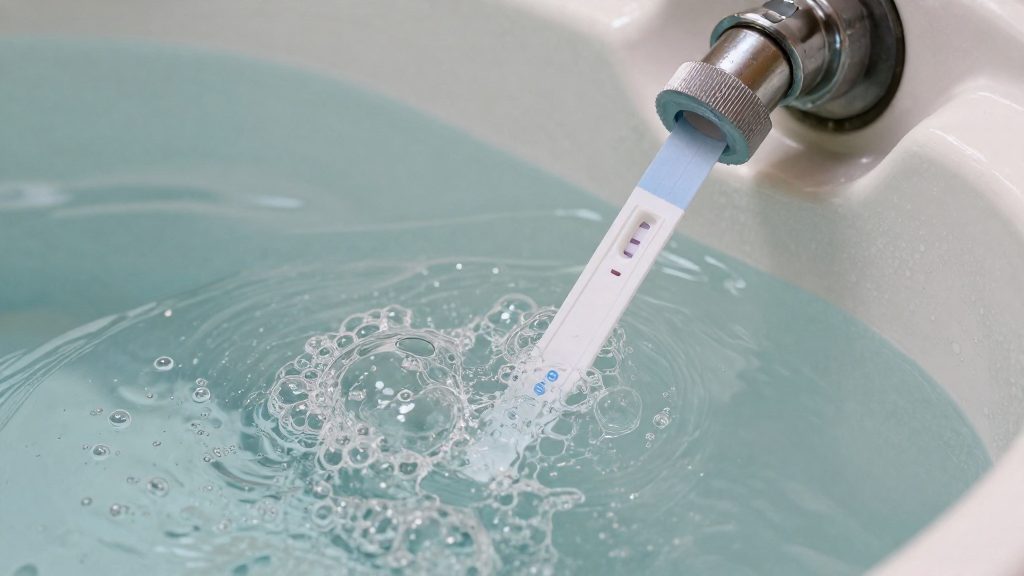
You should check your bromine levels several times a week. This frequency allows you to detect drops in sanitizer levels before organic contaminants take hold. Using test strips or liquid kits calibrated for bromine helps you determine if you need to add more sanitizer or adjust the pH to maintain efficacy.
While bromine is more stable in heat than other sanitizers, it still requires periodic shocking to remain effective. Shocking serves two purposes: it eliminates bather waste and regenerates spent bromide ions back into active sanitizer.
| Action | Recommended Frequency | Primary Purpose |
|---|---|---|
| Testing | Multiple times per week | Monitor sanitizer and pH levels |
| Shocking | Weekly | Oxidize waste and regenerate bromine |
| Extra Shocking | After heavy usage | Restore water clarity and sanitation |
To keep the system balanced, focus on water chemistry by ensuring your pH stays within the recommended range. This ensures that the bromine you add works efficiently without irritating the skin or causing scale buildup on the equipment.
Frequently asked questions
What is the ideal bromine level for a standard hot tub?
For a typical residential setup, you should maintain a concentration between 3.0 and 5.0 ppm. If you use a mineral or ozone system, this target decreases to 1.0 to 3.0 ppm.
Why is bromine better than other sanitizers for hot tubs?
Bromine is highly heat-stable, meaning it does not degrade as quickly as other chemicals at high temperatures. It also maintains its sanitizing efficacy more effectively when pH levels drift upward.
How do I optimize the performance of my bromine?
You should keep your pH balance between 7.2 and 7.8, ideally targeting 7.4 to 7.6. Additionally, performing a weekly shock treatment helps oxidize waste and regenerate active sanitizer.