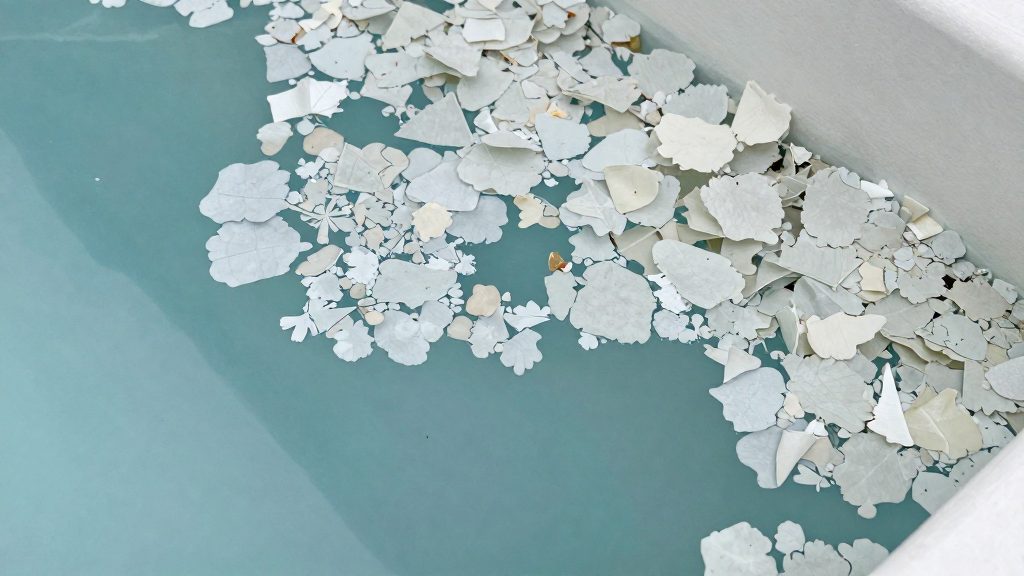
What Causes High Calcium and Scaling in Spas?
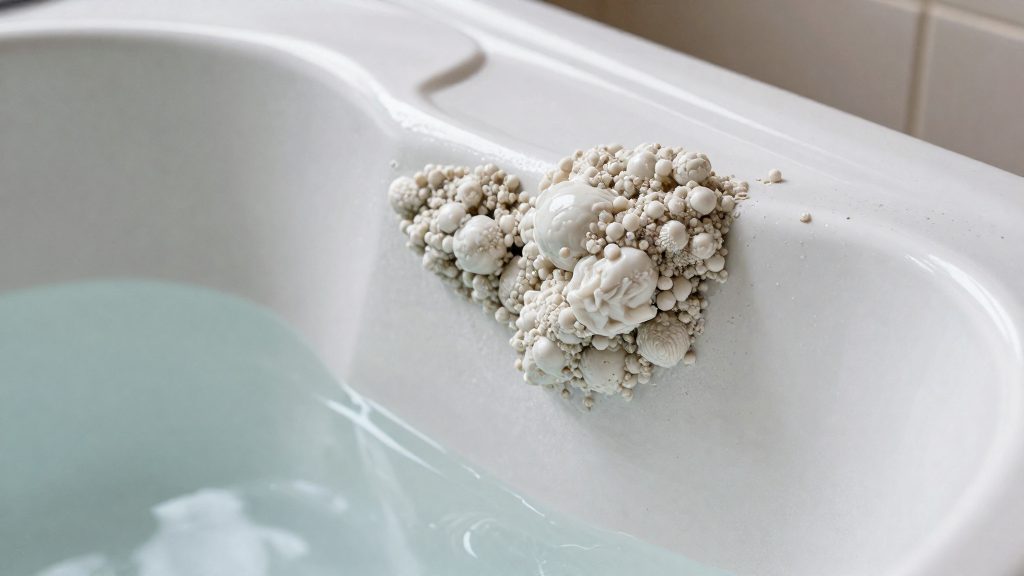
The formation of scale in a spa is driven by the interaction between dissolved calcium ions and other water chemistry parameters. While calcium itself is present in most municipal and well water sources, it remains stable in solution until specific conditions force it to precipitate. The primary trigger is the relationship between calcium hardness and total alkalinity. When alkalinity levels rise, the water’s capacity to hold calcium in solution decreases, causing the ions to bond with carbonate ions and form solid calcium carbonate crystals.
Temperature plays a significant accelerating role in this process. As water heats up, the solubility of calcium carbonate decreases, meaning the water can hold less dissolved mineral content. Consequently, higher operating temperatures drive calcium out of solution much faster than cooler water would. This is why scale often appears rapidly on acrylic surfaces and heater elements in hot spas compared to cooler pools.
To prevent this, it is essential to maintain calcium hardness within the recommended range for acrylic shells. While some manufacturers tolerate higher levels, keeping calcium hardness within the ideal window minimizes the risk of rapid precipitation. If levels exceed this threshold, the water becomes excessively hard, leading to cloudy water and accelerated scaling.
| Factor | Effect on Calcium |
|---|---|
| High Alkalinity | Reduces calcium solubility, promoting scale formation |
| High Temperature | Decreases calcium solubility, accelerating precipitation |
| High pH | Shifts chemical balance, encouraging solid scale |
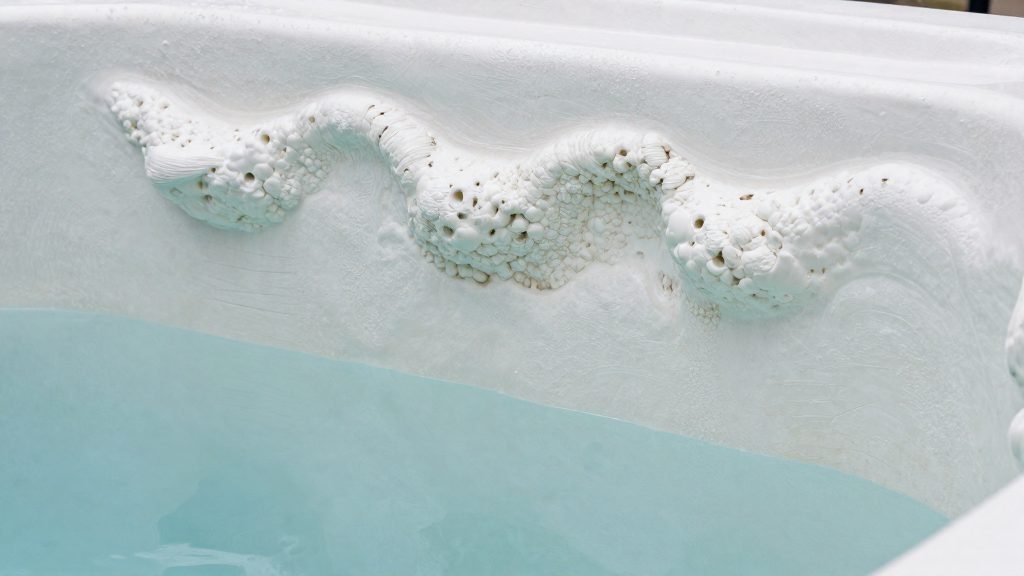
How to Lower Calcium Hardness Without Draining
When draining the spa is impractical, ion-exchange technology offers a viable method to physically extract dissolved calcium ions from the existing water. Unlike chemical additives, which cannot permanently neutralize dissolved minerals, these devices work by swapping calcium ions for other ions as water passes through a specialized medium.
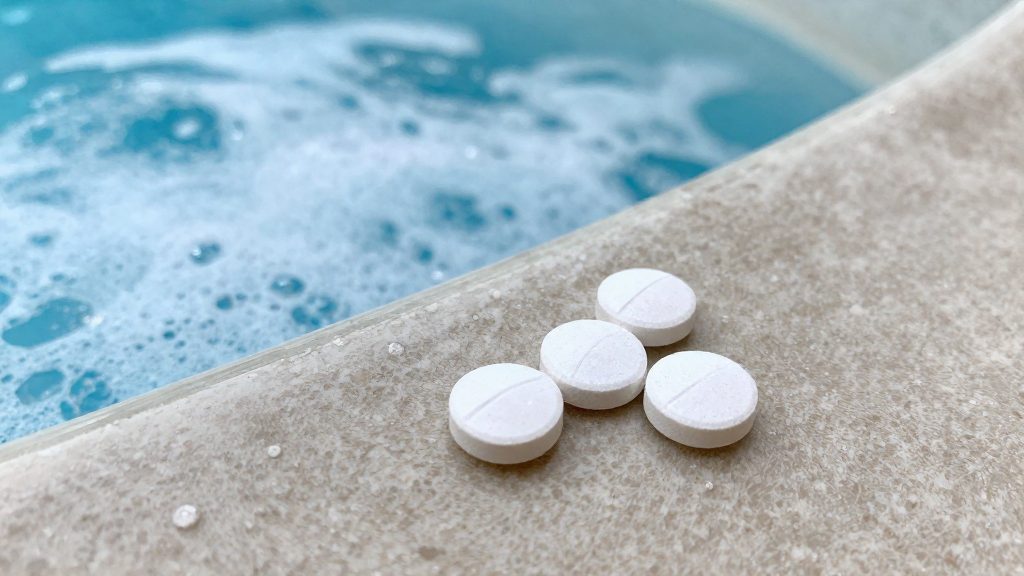
The primary tool for this approach is the calcium remover pillow, a disposable or reusable cartridge designed to fit within the spa’s filtration system. These pillows are typically deployed for a period of 24 to 48 hours. During this window, the ion-exchange resin inside the pillow binds to the calcium in the water, effectively lowering the total hardness level. It is important to understand that this method has a finite extraction capacity. The pillow will eventually become saturated and lose its ability to remove additional calcium. Once the deployment period ends, the pillow must be removed and replaced or regenerated, depending on the specific product type.
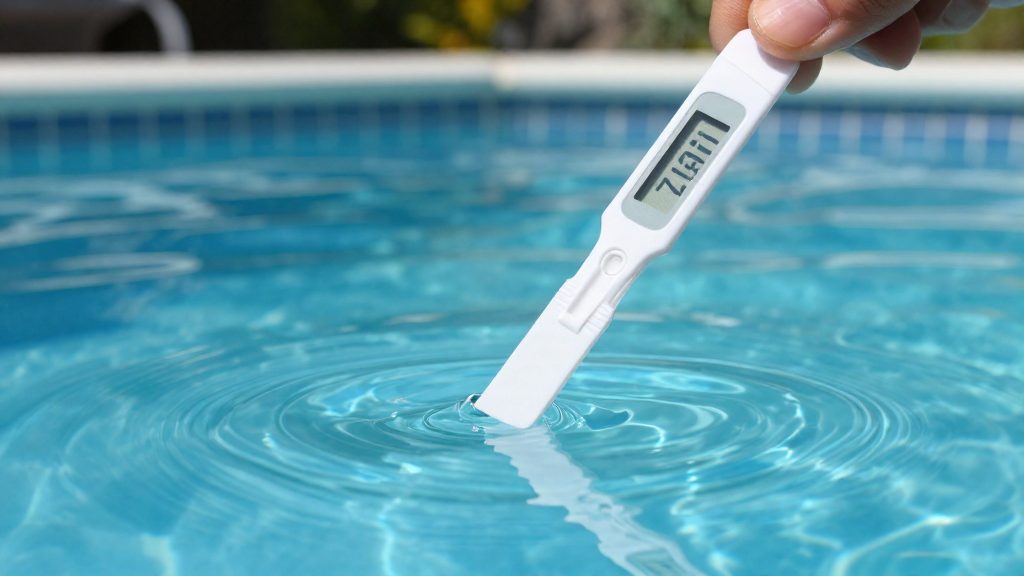
After the treatment cycle is complete, you must verify the results. Do not assume the hardness has dropped to your target range. Use a reliable test kit to measure the calcium hardness level. If the reading remains above the ideal range for acrylic spas, the pillow may have reached its limit, or the initial hardness was too high for a single cycle to resolve completely. In such cases, you may need to repeat the process with a fresh pillow or consider partial draining if the levels remain excessively high.
How to Drain and Refill to Reset Water Hardness
When calcium hardness levels exceed safe thresholds, draining and refilling is the most effective way to reset water chemistry. This process involves removing a portion of the existing water and replacing it with source water that has a lower mineral content. To determine the correct volume for a partial drain, calculate the difference between your current calcium hardness and your target level. This ensures you remove enough water to dilute the excess minerals without wasting unnecessary volume.
Before refilling, attach a hose-end mineral pre-filter or a portable ion-exchange softener to your garden hose. This device filters out calcium and other metals as the water enters the spa, preventing new hardness from accumulating immediately. It is essential to test the refill water for hardness before it enters the tub to ensure it is within the acceptable range.
After refilling, test the water again to confirm the calcium hardness is back within the ideal range. This method is superior to chemical additives, which cannot permanently remove dissolved calcium ions. Regular draining and refilling helps maintain water clarity and protects equipment from scale buildup.
| Step | Action | Purpose |
|---|---|---|
| 1 | Calculate drain volume | Dilute excess calcium to target level |
| 2 | Attach hose-end filter | Remove minerals from incoming water |
| 3 | Test refill water | Verify hardness is within safe limits |
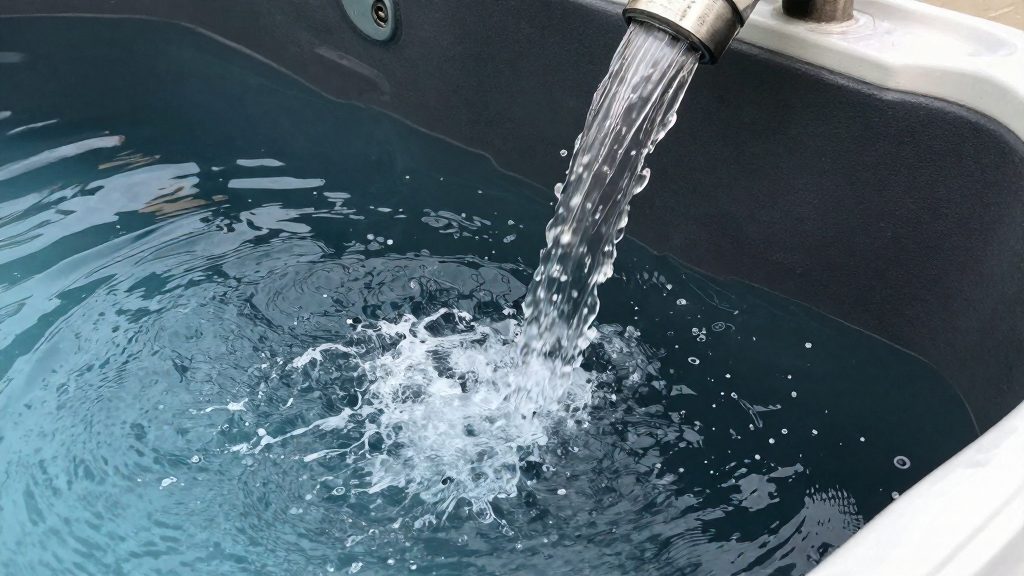
Removing Stubborn Calcium Scale From the Acrylic Shell
When mineral deposits have already formed on the acrylic surface, mechanical and chemical intervention is required to restore clarity and smoothness. The primary goal is to dissolve the solid calcium carbonate without damaging the delicate polymer shell.
pH adjustment is the first step in dissolving scale. High alkalinity and elevated pH levels drive calcium out of solution, creating hard deposits. Lowering the pH to a slightly acidic range helps break down these crystalline structures. However, this must be done carefully to avoid etching the acrylic. Once the water chemistry is adjusted to favor dissolution, you can proceed with physical removal.
For surface cleaning, use a soft-bristle scrubbing technique. Never use abrasive pads, steel wool, or stiff brushes, as these will permanently scratch the acrylic. Instead, apply a mild cleaning solution to a non-abrasive sponge or soft cloth. Gently rub the affected areas in circular motions. For heavier deposits, a diluted solution of distilled white vinegar and warm water is an effective, acrylic-safe descaler. Apply the mixture to the scale, allow it to sit briefly to loosen the bond, and then wipe it away with a soft cloth.
After removing the visible scale, rinse the area thoroughly with clean water to neutralize any remaining cleaning agents. This process restores the smooth finish of the shell, allowing for better heat retention and easier future maintenance.
Preventing Calcium Buildup and Scale Formation
Preventing recurring scale accumulation relies on a consistent maintenance routine rather than reactive cleaning. The foundation of this strategy is weekly calcium hardness testing. Regular monitoring allows you to track mineral levels before they reach the threshold where precipitation becomes likely. If readings trend upward, you can adjust your water chemistry or plan a partial water replacement before scale forms on the acrylic shell or heater elements.
Equally important is maintaining the balance between pH and alkalinity. High pH and elevated total alkalinity drive calcium out of solution, accelerating the formation of solid calcium carbonate deposits. Keeping these parameters within their ideal ranges ensures that dissolved minerals remain stable in the water column. While sequestering agents can help bind minerals in suspension, they do not lower the actual calcium concentration, so chemical balance remains the primary defense against scaling.
Finally, adhere to a regular water replacement schedule. Under standard bather load, a full drain and refill is typically recommended every few months. This physical removal of water is the most effective way to reset the mineral load, as there is no chemical additive that permanently removes dissolved calcium ions. By combining consistent testing, strict chemical balancing, and periodic water changes, you create a proactive system that minimizes the risk of heater failure and cloudy water.
Frequently asked questions
Can I use a chemical to lower calcium hardness in my spa?
No, there is no direct chemical additive that permanently removes dissolved calcium ions from the water. The only way to reduce the actual concentration is through physical removal methods, such as draining and refilling the spa or using an ion-exchange device.
How do I remove existing scale from the acrylic shell?
You can dissolve surface deposits by applying a 1:1 mixture of distilled white vinegar and warm water with a non-abrasive soft cloth. This method effectively clears calcium buildup without scratching the acrylic surface.
Is it safe to fill my spa entirely with softened water?
No, filling a spa exclusively with water that has 0 ppm calcium hardness is unsafe because it becomes corrosive to metal components like heater elements and pump seals. You should blend softened water with hard water or remineralize it to keep calcium levels within the ideal range of 150 to 250 ppm.