Key Chemical Differences Between Chlorine and Bromine
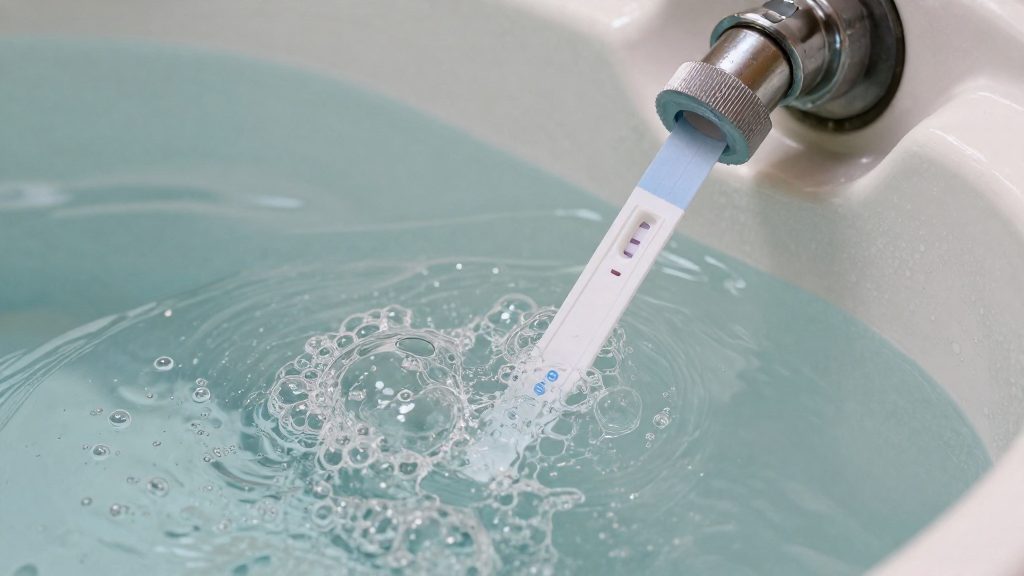
The primary technical difference between these two sanitizers lies in how they react with organic contaminants and bather waste. When free chlorine interacts with nitrogenous waste—such as sweat or urea—it creates chloramines. These byproducts are less effective at disinfecting the water and are the primary cause of the strong chemical smell and eye or respiratory irritation often associated with poorly maintained spas.
In contrast, bromine reacts with organic waste to form bromamines. Unlike their chlorine counterparts, bromamines remain active disinfectants, meaning the water continues to be sanitized even as these byproducts accumulate. Furthermore, bromamines do not produce the same level of pungent odor or irritation, making the water feel gentler on the skin and eyes.
Another fundamental distinction is the ability to recycle the sanitizer. Spent bromide ions can be re-oxidized back into an active state by adding an oxidizer, whereas spent chloramines must be completely destroyed through a process called breakpoint chlorination.
| Feature | Chlorine | Bromine |
|---|---|---|
| Byproduct Formed | Chloramines | Bromamines |
| Byproduct Efficacy | Low sanitizing power | High sanitizing power |
| Odor & Irritation | Strong and irritating | Low and mild |
| Chemical Recovery | Requires breakpoint oxidation | Can be re-oxidized |
How Do Chlorine and Bromine Perform in High Spa Temperatures?
When managing a spa, the water temperature significantly impacts how a sanitizer behaves. Because spas operate at much higher temperatures than swimming pools, the thermal stability of the chemical is a primary consideration for maintaining water quality.
Chlorine is highly sensitive to heat. As water temperatures rise, free chlorine tends to degrade and volatilize rapidly. This means the sanitizer evaporates into the air more quickly, requiring more frequent dosing to maintain a consistent residual level. In contrast, bromine is chemically stable and remains active even at the highest recommended spa temperatures.
Maintenance, Dosing, and Feeder Systems Compared
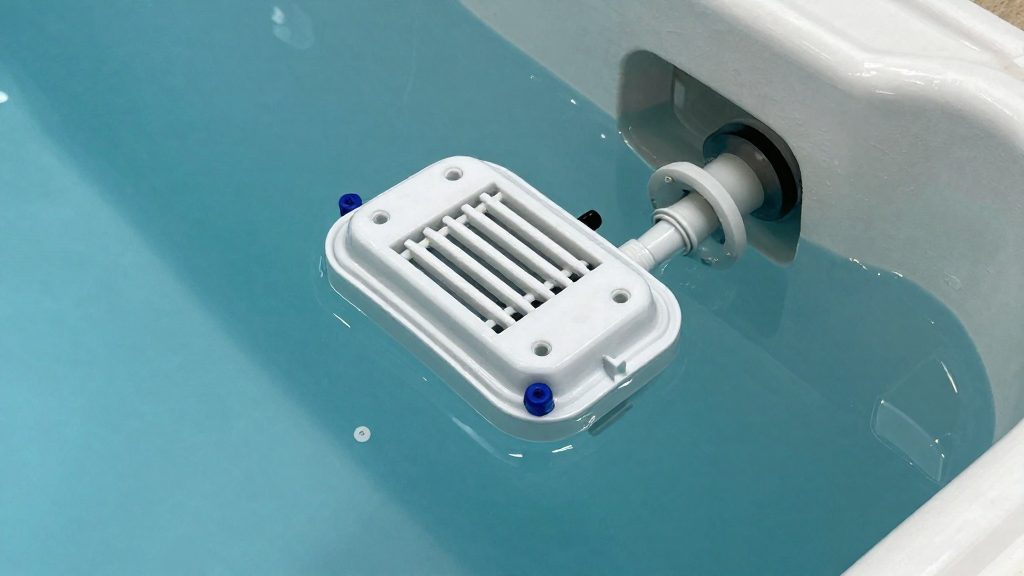
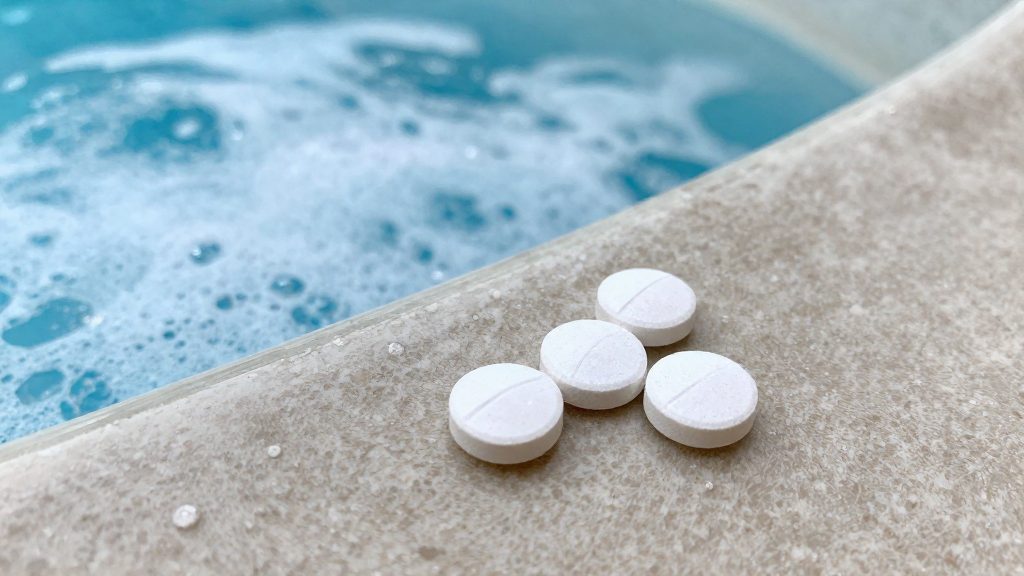
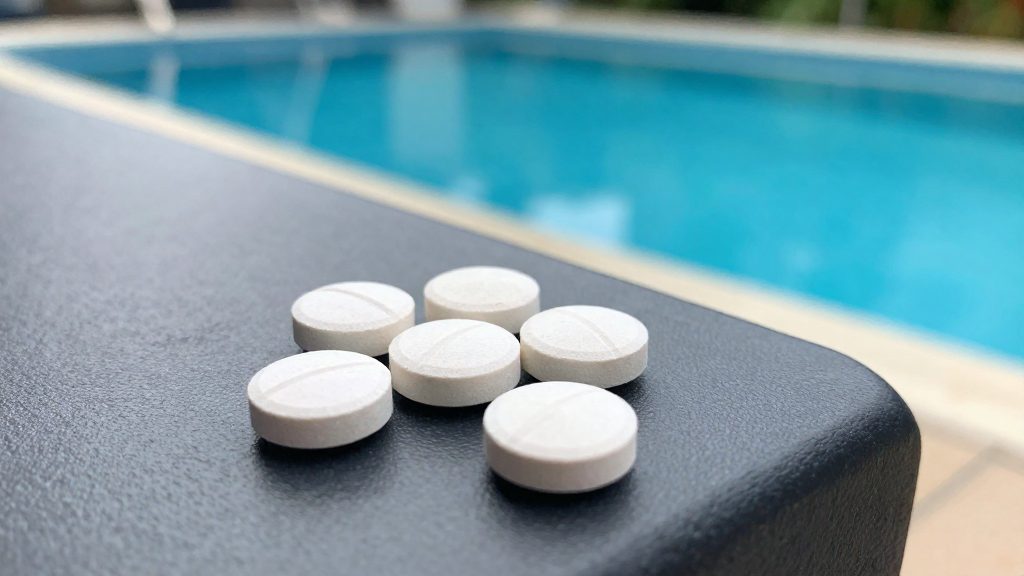
The maintenance routine for a spa differs significantly depending on whether you use chlorine or bromine. Chlorine is typically managed through the addition of fast-dissolving granules, requiring more frequent testing and manual dosing to maintain a consistent residual. In contrast, bromine is generally established with an initial starter bank and then maintained using slow-dissolving tablets placed in a floating erosion feeder.
| Feature | Chlorine System | Bromine System |
|---|---|---|
| Primary Delivery | Fast-dissolving granules | Floating feeder with tablets |
| Dosing Frequency | More frequent manual adjustments | Slower, automated erosion |
| UV Stability | Degrades in sunlight; CDC advises against cyanuric acid (stabilized chlorine) in hot tubs | Degrades rapidly in sunlight |
Impact on Water Balance, pH, and Equipment Longevity
The choice between chlorine and bromine significantly influences how you manage your spa’s chemical equilibrium. One of the most notable differences is the pH sensitivity of each sanitizer. Chlorine requires a tighter operational window to remain effective; if the pH drifts too high, its ability to disinfect drops sharply. Bromine, conversely, maintains its efficacy across a broader pH range, offering more flexibility for the user.
| Feature | Chlorine | Bromine |
|---|---|---|
| pH Flexibility | Narrow range | Broad range |
To protect equipment longevity, maintaining a stable pH is essential regardless of the sanitizer used. However, because bromine is more resilient to temperature fluctuations, it often requires less frequent corrective dosing in hot water.
How to Choose the Right Sanitizer for Your Spa
Selecting the best sanitizer depends on your usage patterns, the location of your spa, and your preference for maintenance. The decision typically rests on how you prioritize chemical stability and the sensory experience of the water.
If you prefer a system that remains effective in high-temperature water and is more forgiving regarding pH fluctuations, bromine is often the preferred choice. It is particularly advantageous for those sensitive to the strong odors associated with combined chlorine, as its byproducts do not produce the same level of irritation.
Conversely, chlorine is a highly efficient sanitizer that is widely available and easy to dose. It is an excellent choice for those who prioritize a fast-acting disinfectant, provided they are diligent about managing pH levels and removing organic waste to prevent the formation of irritating chloramines.
| Feature | Chlorine | Bromine |
|---|---|---|
| Odor Profile | Can produce strong odors | Generally lower odor profile |
| UV Resistance | Degrades in sunlight; CDC advises against cyanuric acid (stabilized chlorine) in hot tubs | Degrades quickly in direct sunlight |
When deciding, consider if your spa is outdoors and uncovered; in such cases, the UV degradation of bromine may make chlorine a more practical option. If you prioritize a consistent, low-odor experience in a high-temperature environment, bromine is the superior sanitizer choice.
Can You Switch Between Chlorine and Bromine in a Hot Tub?
Yes, it is possible to change your sanitizer, but you cannot simply add one to the other. Because of the risk of violent chemical reactions, toxic gas release, or fire, dry chlorine and dry bromine products must never be mixed in dry form or placed together in a chemical feeder.
To safely transition between these two systems, you must perform a full drain of the hot tub. After draining, a system flush is necessary to remove any residual chemicals clinging to the plumbing and surfaces. Once the system is cleared, refill the tub with fresh water before introducing the new sanitizer.
The process differs depending on which system you choose:
| Transition Direction | Primary Requirement | Method |
|---|---|---|
| Chlorine to Bromine | Fresh Water Start | Drain, flush, refill, and establish a bromide bank. |
| Bromine to Chlorine | Fresh Water Start | Drain, flush, refill, and dose with chlorine granules. |
Once the water is fresh, you can begin the dosing process for your chosen sanitizer. If moving to bromine, you will typically start with a starter bank before using tablets in a feeder. If moving to chlorine, you will use granules to maintain the residual levels.
Frequently asked questions
Why does my spa smell like chemicals when using chlorine?
This odor is caused by chloramines, which are byproducts created when chlorine reacts with sweat and urea. These compounds are less effective at disinfecting and can cause eye and respiratory irritation.
Which sanitizer is more stable in hot water?
Bromine is the superior choice for high temperatures, as it remains active and stable at 104°F. In contrast, free chlorine degrades and evaporates quickly once the water exceeds 95°F.
Can I switch from chlorine to bromine without draining my spa?
No, you must perform a full drain and system flush before changing sanitizers. Mixing dry chlorine and bromine products can lead to toxic gas release or violent chemical reactions.