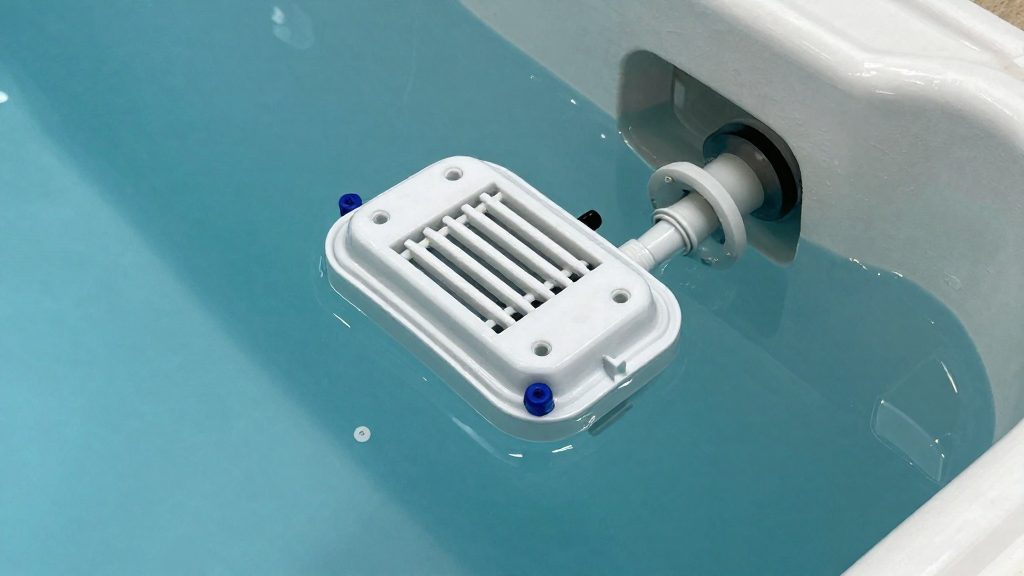
Why Is Chlorine Low in a Salt Water Pool?
A common misconception is that salt itself sanitizes the water. In reality, salt is merely the raw material used by the salt water pool system to create chlorine through electrolysis. If your free chlorine levels are low, it does not necessarily mean you lack salt; it means the process of converting that salt into an active sanitizer is either insufficient or the chlorine is being consumed faster than it can be produced.
To maintain a healthy environment, the right free chlorine target depends on your cyanuric acid (CYA) level and operating conditions. CDC minimums are 1 ppm (mg/L) free chlorine without stabilizer and 2 ppm with stabilizer (CDC). When levels drop below the target for your CYA, the water is no longer adequately protected against contaminants.
Several factors can lead to this deficit:
| Cause | Description |
|---|---|
| High Chlorine Demand | Heavy bather loads or organic contaminants consume chlorine rapidly. |
| Insufficient Run Time | The pump does not operate long enough for the cell to generate the required amount of sanitizer. |
| Equipment Wear | The electrolytic cell reaches the end of its functional lifespan and loses efficiency. |
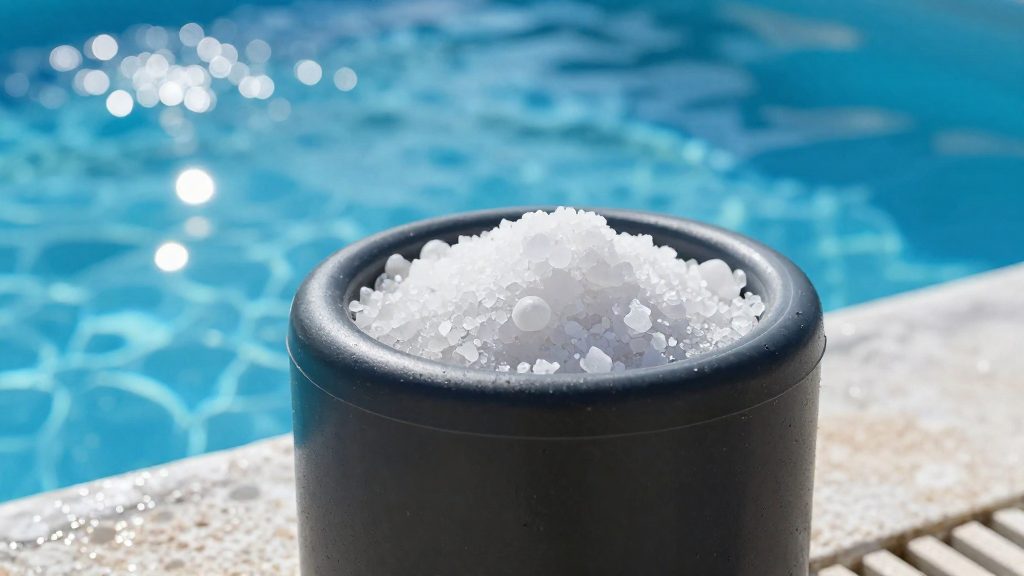
| Low Salinity | Insufficient salt levels prevent the cell from producing chlorine effectively. |
How to Test Water Salinity vs. Salt Cell Diagnostics
When your pool shows low chlorine levels, you must distinguish between a lack of raw materials (water salinity) and a failure in the production hardware (salt cell diagnostics).
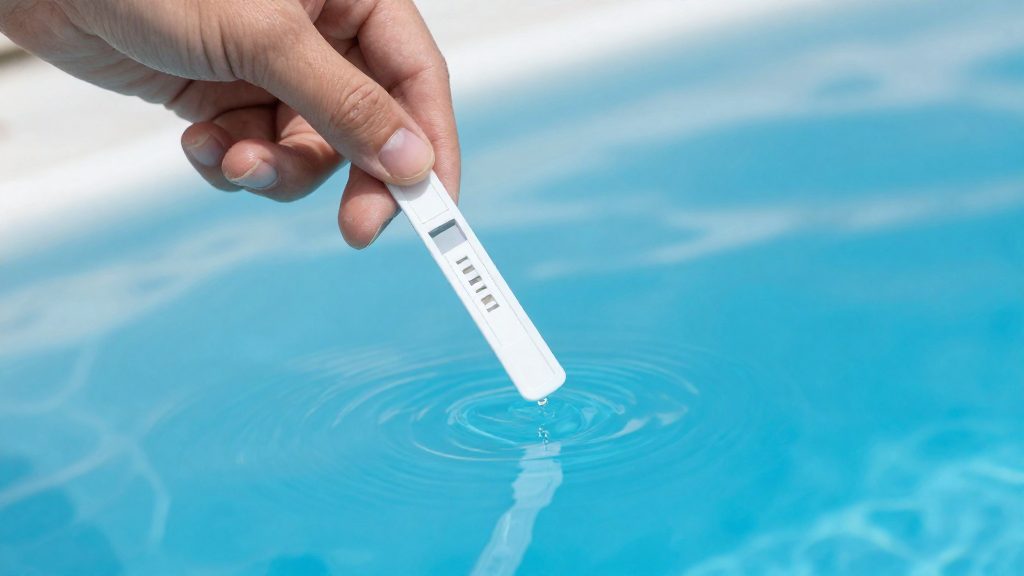
Testing salinity is a straightforward chemical check. You can use digital testers or same-day test strips to ensure the salt concentration remains within the manufacturer’s operational window. If the salinity is too low, the generator cannot produce chlorine regardless of its condition. If the salinity is correct but chlorine remains low, the issue lies with the hardware or water demand.
Salt cell diagnostics involve inspecting the physical and operational state of the generator. This includes checking for calcium scale buildup on the titanium plates, which blocks the electrolytic process, or verifying that the water temperature has not dropped below the automatic cutoff threshold.
| Focus | Salinity Testing | Salt Cell Diagnostics |
|---|---|---|
| Goal | Verify salt concentration | Identify hardware or flow failure |
| Method | Digital meters or test strips | Visual inspection and error codes |
| Common Issue | Salt loss due to splashing/backwashing | Scale buildup or worn-out plates |
| Solution | Adding pool-grade salt | Acid cleaning or cell replacement |
Stabilizer and CYA: Protecting Chlorine from UV Burnoff
In an outdoor saltwater pool, the chlorine produced by your salt chlorine generator is highly susceptible to degradation from sunlight. Without protection, solar rays break down the sanitizer rapidly, leading to low chlorine levels even when the generator is functioning perfectly.
To prevent this, you must maintain an adequate level of Cyanuric acid (CYA), commonly referred to as stabilizer. This chemical acts as a sunscreen for your water, bonding with the chlorine to shield it from UV rays and significantly extending its lifespan in the pool.
Because saltwater pools rely on a steady, automated production of chlorine rather than large manual doses, they typically require a higher concentration of stabilizer than traditional pools to ensure the sanitizer remains effective throughout the day.
| Feature | Role of Stabilizer (CYA) | Impact of Low CYA |
|---|---|---|
| UV Protection | Shields chlorine from solar degradation | Rapid chlorine loss during daylight |
| Stability | Maintains consistent sanitizer levels | Fluctuating and unreliable chlorine readings |
| Efficiency | Reduces the workload on the salt cell | Increased generator run time and wear |
Inspecting and Cleaning Scaled Salt Cell Plates
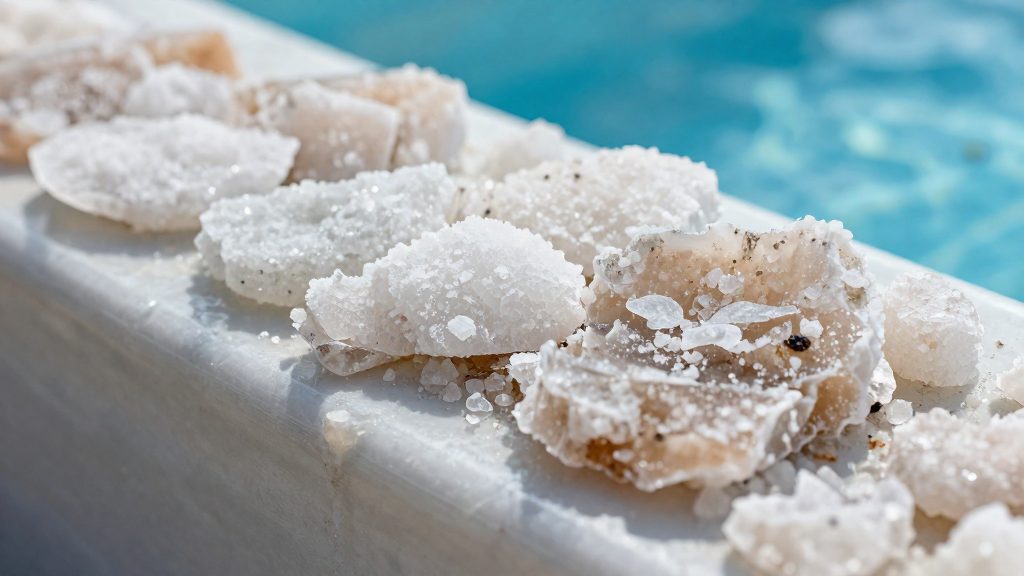
When your salt water pool chlorine levels remain low despite correct salinity, the issue often lies within the salt cell itself. Over time, calcium deposits can accumulate on the titanium plates, creating a physical barrier that hinders the electrolytic process. This buildup, known as scaling, prevents the cell from efficiently converting salt into chlorine.
To inspect the unit, power down the system and remove the salt cell from the plumbing. Look inside the housing for a white, crusty residue clinging to the plates. If the plates appear clear, the issue may be related to water chemistry or cell age; however, visible deposits require a chemical cleaning to restore performance.
The most effective method for removing these deposits is a muriatic acid soak. This process dissolves the calcium scale, but only follow it if the cell manufacturer allows it, because excessive acid exposure damages the plate coatings; use the approved dilution and keep the timing short.
| Step | Action | Detail |
|---|---|---|
| 1 | Preparation | Use the cell manufacturer’s acid strength and dilution; add the acid slowly to the water (never water to acid), with gloves, eye protection and ventilation. |
| 2 | Application | Soak the salt cell in the diluted solution. |
| 3 | Duration | Stay within the cell manufacturer’s exposure limit. |
| 4 | Rinsing | Flush the cell thoroughly with fresh water. |
| 5 | Installation | Reinstall the cell and restart the system. |
Once cleaned, the electrolytic process should resume normally, allowing the system to maintain the necessary sanitizer levels for your pool.
Cold Water Cutoffs and Flow Switch Malfunctions
When your salt water pool chlorine low readings occur during seasonal transitions, the cause is often a built-in safety mechanism. Most salt chlorine generators feature an automatic low-temperature cutoff. This system disables chlorine production when the water temperature drops below a specific threshold to prevent the titanium plates from eroding prematurely. If your water is too cold, the cell simply stops working, leading to a drop in sanitizer levels.
Another common culprit is the flow switch. This component ensures that water is moving through the cell before allowing electrolysis to begin. If the switch fails or if the water flow is restricted, the generator will shut down to prevent chemical buildup and equipment damage.
| Component | Failure Symptom | General Cause |
|---|---|---|
| Temperature Sensor | No chlorine production | Water temperature is too low for safe operation |
| Flow Switch | “Low Flow” warning or shutdown | Debris in the line or mechanical switch failure |
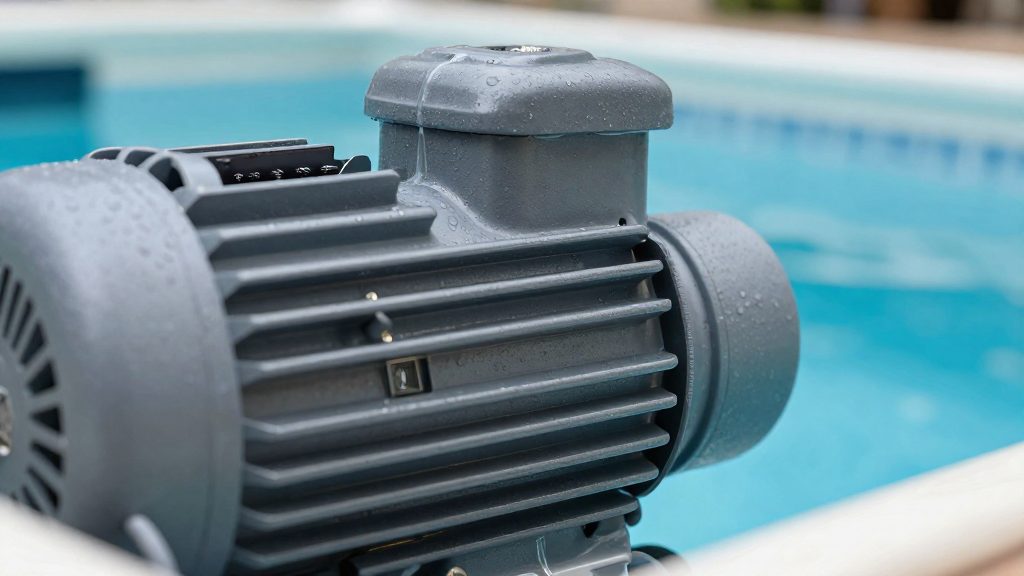
| Circulation Pump | Inconsistent chlorine levels | Insufficient daily run time to engage the cell |
To resolve these issues, ensure your pump is running for the recommended daily duration and check your filtration system for any blockages that might trigger a flow error. If the water is naturally cold due to the season, you may need to manually add chlorine until the water warms up and the automatic low-temperature cutoff disengages.
How to Clear High Chlorine Demand and Algae Blooms
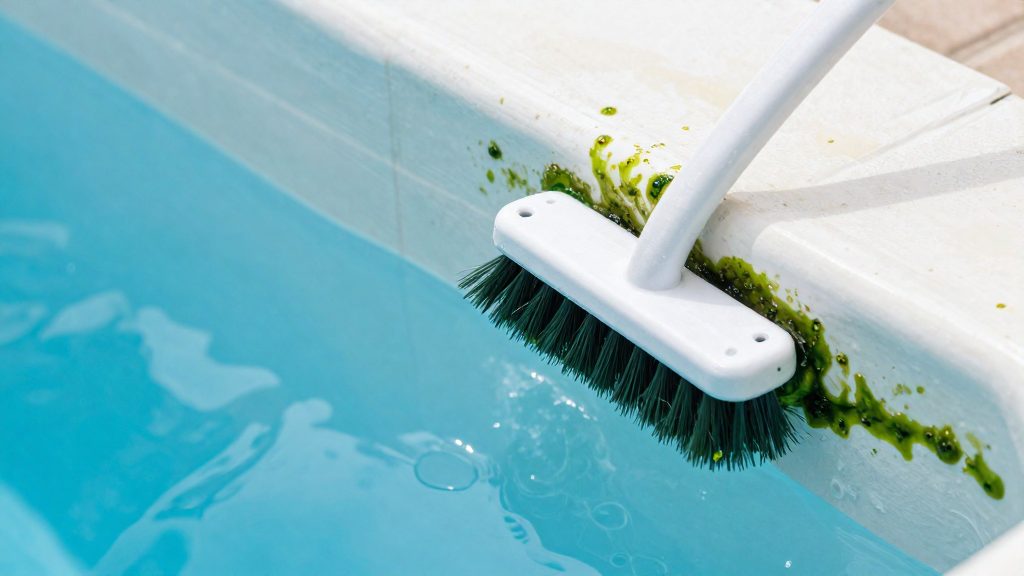
When a salt water pool chlorine low reading persists despite the generator running, you are likely facing high chlorine demand. This occurs when organic contaminants, such as algae or bather waste, consume the sanitizer faster than the salt cell can produce it. In these scenarios, the salt chlorine generator cannot keep up with the biological load, leading to a cycle where chlorine levels remain depleted.
To resolve this, you must perform a manual shock treatment. Relying solely on the salt cell to clear an active bloom is inefficient and can put unnecessary wear on the equipment. Adding a concentrated dose of chlorine manually overrides the demand, killing the algae and neutralizing organic waste.
| Step | Action | Purpose |
|---|---|---|
| 1 | Manual Shocking | Rapidly raise chlorine levels to eliminate organic matter. |
| 2 | Brushing | Dislodge algae from walls and floors for better chemical contact. |
| 3 | Filtration | Run the pump for extended periods to remove dead algae particles. |
| 4 | Monitoring | Test levels frequently until the demand stabilizes. |
Once the water is clear, you can return to standard salt cell operation. To prevent recurrence, ensure your circulation run time is sufficient during high-demand periods to allow the generator adequate contact time with the water.
Frequently asked questions
Does adding more salt automatically increase my chlorine levels?
No, salt is only the raw material; the salt water pool system must process it through electrolysis to create chlorine. If the cell is worn or the pump isn’t running, adding salt will not fix low chlorine.
Why is my chlorine low even though my salt levels are correct?
This often happens due to high chlorine demand from heavy bather loads or organic contaminants. It can also be caused by insufficient pump run time or a salt cell that has reached the end of its lifespan.
What is the ideal chlorine range for a residential salt pool?
To keep the water properly sanitized, set your free chlorine target according to your CYA level and conditions, never below the CDC minimums of 1 ppm without stabilizer and 2 ppm with stabilizer. Levels below your target leave the pool vulnerable to contaminants.