How DE Filters Work and When to Clean Them
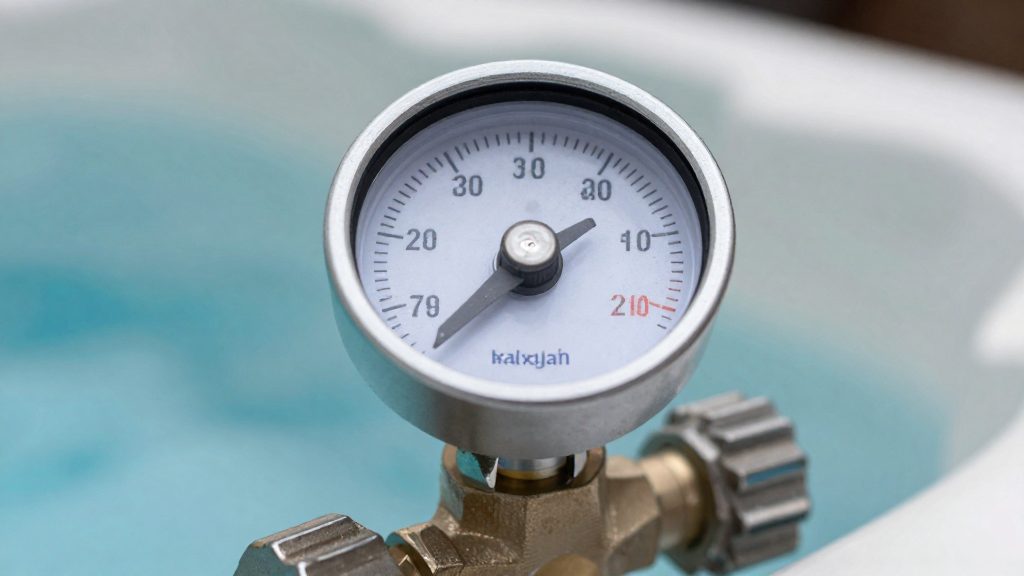
A diatomaceous earth filter operates by using a layer of microscopic fossilized algae to create a highly efficient barrier. This process allows the system to capture particulate matter as small as 2 to 5 microns, making it one of the most effective filtration methods for achieving crystal-clear water. As water passes through the coated grids, the DE powder traps debris that other filter types might miss.
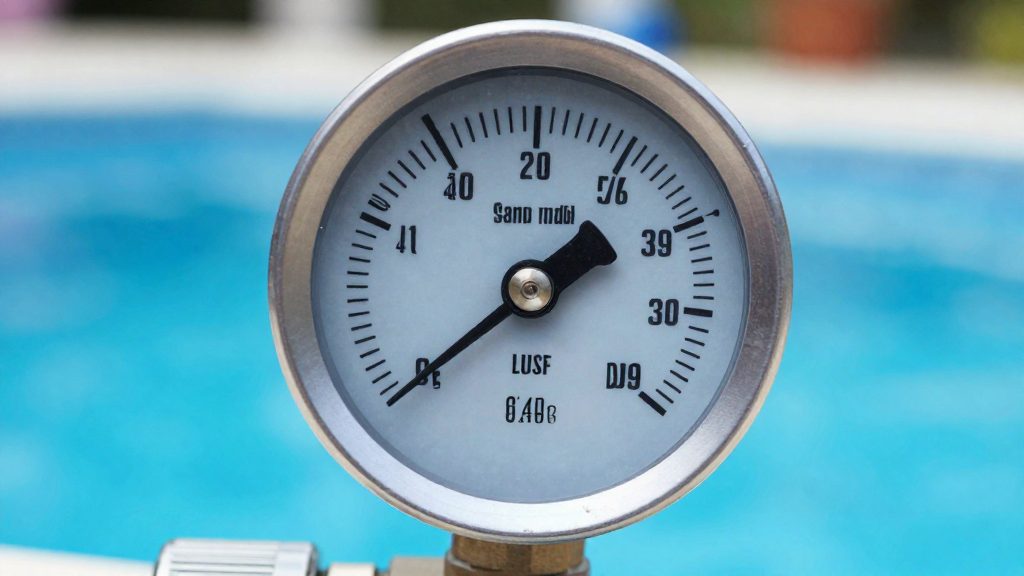
Over time, these trapped particles accumulate on the filter grids, restricting water flow and increasing the internal pressure of the system. To maintain optimal performance, you must monitor the pressure gauge and perform maintenance based on specific indicators.
| Indicator | Action Required | Frequency/Threshold |
|---|---|---|
| Pressure Gauge | Backwash | When pressure rises 8 to 10 PSI above the clean baseline |
| Swim Season | Routine Maintenance | Typically every 3 to 4 weeks |
By tracking the clean starting baseline of your pressure gauge, you can accurately determine when the filter is saturated and requires a backwash cycle to restore efficiency.
Step-by-Step Guide to Backwashing a DE Filter
Backwashing is the primary method for removing accumulated debris from the filter grids to restore optimal water flow. Follow these steps to perform the process correctly:
| Step | Action | Goal |
|---|---|---|
| 1 | Set valve to Backwash | Reverse water flow to flush debris |
| 2 | Run pump for a short duration | Clear the grids of trapped particles |
| 3 | Monitor the sight glass | Verify when discharge water runs clear |
| 4 | Set valve to Rinse | Flush lingering dirt and residual DE from the valve and lines |
| 5 | Return valve to Filter | Resume normal filtration and recharge DE |
To begin, ensure the pump is off before moving the multiport valve to the backwash position. Once the pump is restarted, run the cycle for a few minutes. Rather than relying solely on a timer, observe the sight glass or discharge hose; the process is complete only when the water appears clear.
After backwashing, it is essential to perform a brief rinse cycle for 20–30 seconds. This step runs water forward to waste to flush lingering dirt and residual DE out of the valve and plumbing lines, preventing backwash bypass into the pool. Once the rinse is complete, turn off the pump and return the valve to the filter setting before recharging the filter with a fresh DE powder slurry via the skimmer.
How Much DE Powder to Add After Backwashing
Determining the correct amount of DE powder for recharging your filter depends on the filter surface area and the amount of material remaining after a cleaning cycle. Residential filters are typically categorized by their size, with common options including 24, 36, 48, and 60 sq. ft. models.
When recharging the system, you do not need to replace the full amount of powder specified for a brand-new filter. Because a backwash cycle does not remove every particle, a significant amount of residual DE remains coated on the internal grids. To avoid overfilling the filter and causing premature pressure increases, apply the standard 80% recharge rule.
| Filter Surface Area | Full Charge (Initial) | Post-Backwash Recharge (80%) |
|---|---|---|
| 24 sq. ft. | 2.4 lbs (~5 scoops) | ~1.9 lbs (~4 scoops) |
| 36 sq. ft. | 3.6 lbs (~7 scoops) | ~2.8 lbs (~6 scoops) |
| 48 sq. ft. | 4.8 lbs (~10 scoops) | ~3.8 lbs (~8 scoops) |
| 60 sq. ft. | 6.0 lbs (~12 scoops) | ~4.8 lbs (~10 scoops) |
To recharge, return the valve to ‘Filter’ and start the pump. Mix the measured DE powder with water in a clean bucket to form a thin slurry, then slowly pour it directly into the pool skimmer while the pump is running. This ensures a consistent coating on the grids without overloading the system.
Deep Cleaning and Inspecting Filter Grids
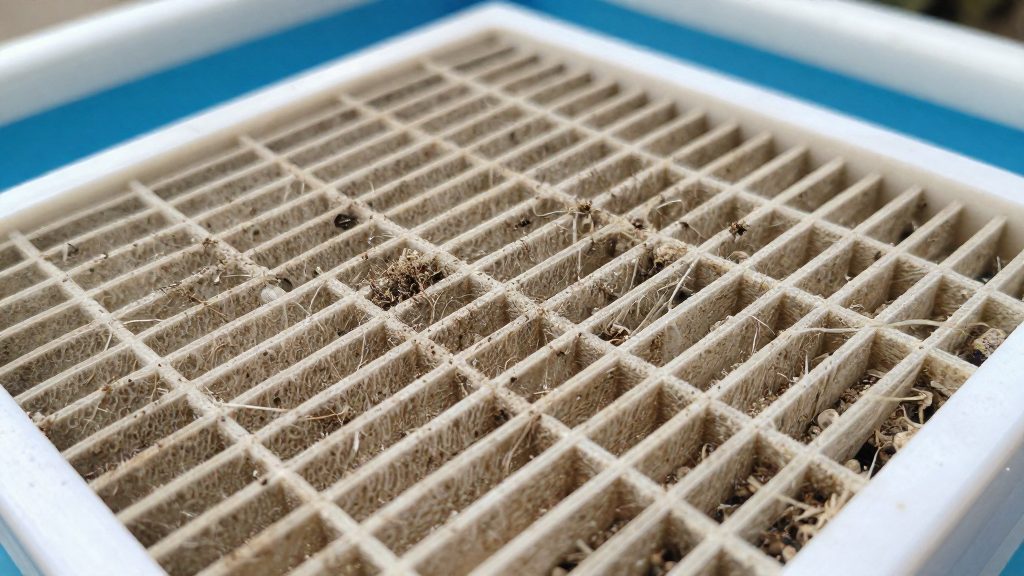
While regular backwashing maintains daily performance, a deep manual cleaning is required at least once every six months or twice per swimming season. This process involves removing the internal grids from the tank to eliminate stubborn buildup that standard cycles cannot reach.
To clean the grids, use a standard garden hose nozzle to spray down the fabric. It is important to rinse the surfaces thoroughly to remove accumulated debris and residual powder. Once the grids are clean, perform a visual inspection of the fabric. Look for any small holes, fraying, or tears in the material. Even a minor breach in the fabric can allow unfiltered water and powder to bypass the system, reducing overall water clarity.
The following table summarizes the inspection and cleaning approach:
| Action | Tool/Method | Goal |
|---|---|---|
| Manual Rinse | Garden hose nozzle | Remove deep-seated debris |
| Visual Check | Manual inspection | Identify fabric tears or wear |
| Frequency | Twice per season | Maintain long-term efficiency |
How to Chemical Soak and Descale Filter Grids
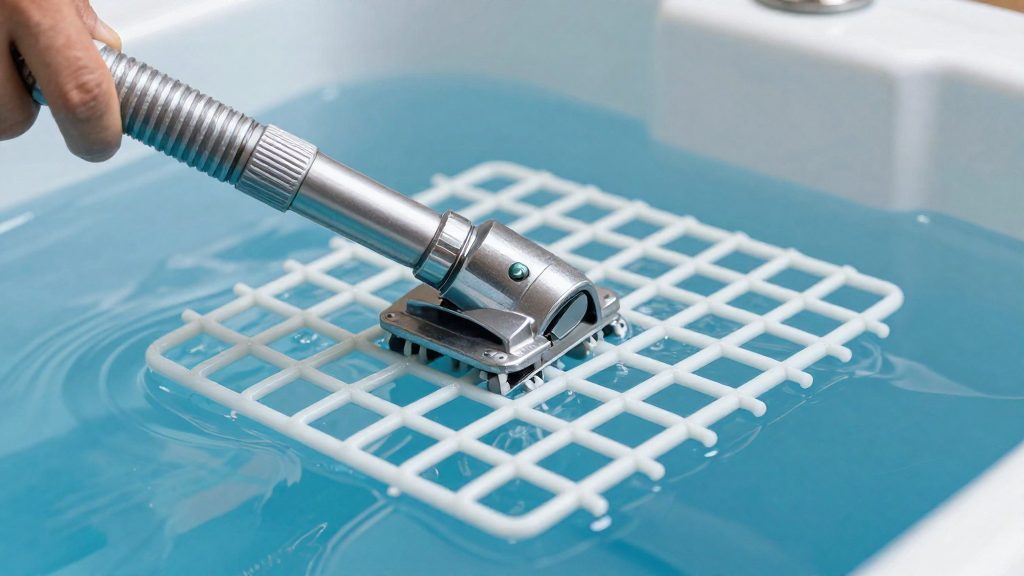
When standard rinsing fails to restore flow, you must address the specific type of contaminant clinging to the fabric. Stubborn buildup generally falls into two categories: organic oils or inorganic minerals. To resolve this, you will perform a chemical soak, which involves submerging the grids in a targeted solution to break down deposits without scrubbing.
The sequence of cleaning is critical to avoid permanently fouling the fabric. You must always degrease first with an alkaline cleaner or TSP to strip body oils and sunscreens, then rinse thoroughly with fresh water. Only after the grids are degreased should you perform a dilute muriatic acid wash (10:1 water to acid) if mineral or calcium scale remains. Applying acid to oily grids permanently embeds oils into the fabric mesh.
| Contaminant Type | Recommended Solution | Primary Action |
|---|---|---|
| Oils, lotions, and sunscreens | Alkaline degreaser | Dissolves organic fats and oils |
| Calcium and mineral scale | Acid/mineral wash | Dissolves hard water deposits |
To perform the soak, place the grids in a large plastic container and fill it with the appropriate solution. Allow the grids to remain submerged for the duration recommended by the product manufacturer. Once the soak is complete, rinse the grids thoroughly with a garden hose to remove all chemical residues before reinstalling them into the filter tank.
By utilizing these descaling techniques in the correct order, you ensure the filter grids maintain their structural integrity and filtration efficiency, preventing the premature degradation of the fabric cloth.
Troubleshooting Common DE Filter Problems
Maintaining a diatomaceous earth filter requires attention to pressure and flow. When the system deviates from its normal operation, the cause is usually related to the filter grids or air infiltration.
| Problem | Likely Cause | Recommended Action |
|---|---|---|
| Low flow rate | Clogged grids or high pressure | Perform a backwash once the pressure gauge rises above the clean baseline. |
| Cloudy water | Insufficient DE coating | Verify that the grids are properly pre-coated with a DE slurry. |
| Air in system | Suction side leak | Check the pump lid seal and skimmer water levels. |
A common cause of cloudy water is the absence of a proper DE powder coating. Operating the pump without this layer allows particles to bypass the filtration medium and return to the pool. If the water remains dull despite regular backwashing, the grids may be coated in oils or minerals, requiring a chemical soak with a degreaser or mineral wash.
Another frequent issue is air trapped in the system, which often manifests as bubbles returning through the jets or a fluctuating pressure gauge. This is typically caused by a leak on the suction side of the pump, such as a worn O-ring or a low water level in the skimmer that allows air to be drawn in.
Frequently asked questions
How do I know when it is time to backwash my filter?
You should initiate a backwash when the pressure gauge indicates a rise of 8 to 10 PSI over your established clean baseline. During the active swimming season, this typically occurs every 3 to 4 weeks.
Can I run the pump without adding DE powder?
No, you must never operate the system without a pre-coating of DE powder. Doing so can cause permanent damage to the fabric filter cloth.
How much DE powder should I add after a backwash?
Since some powder remains on the grids, you only need to add 80% to 85% of the manufacturer’s total rated capacity to recharge the system.