Why Pressure Gauges Dictate Sand Filter Backwashing
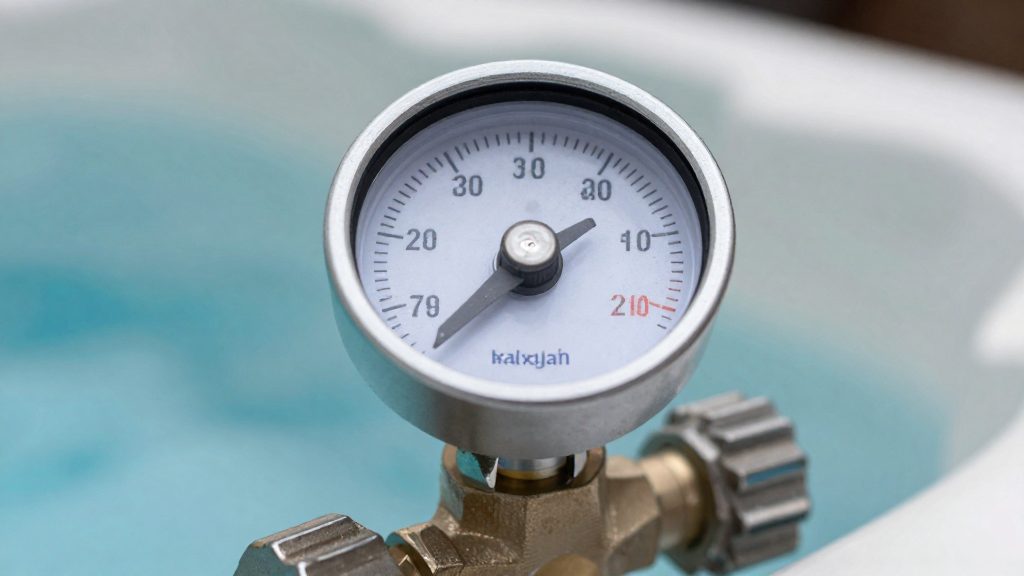
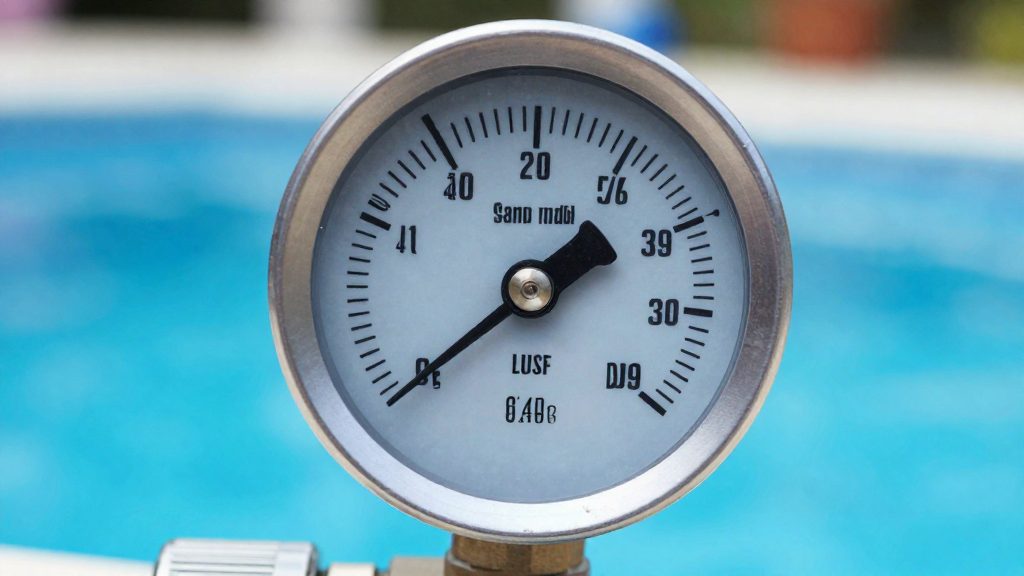
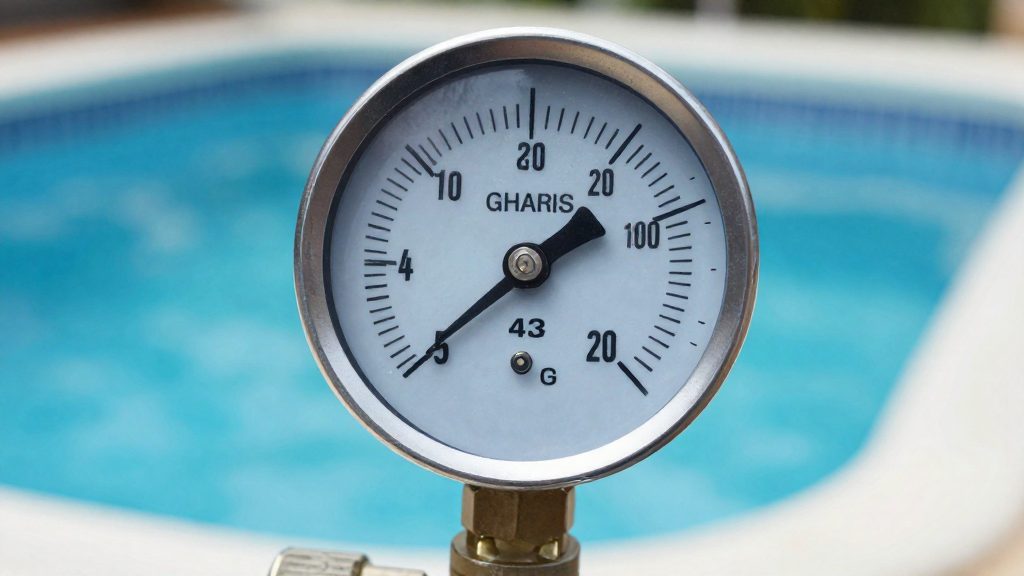
The pressure gauge serves as the primary diagnostic tool for your filtration system. It measures the resistance the water encounters as it passes through the sand bed. When the filter is clean, water flows freely, establishing a clean baseline operating pressure. This baseline varies depending on your specific pump speed and plumbing configuration.
As the sand filter captures debris, oils, and organic matter, these particles lodge within the sand grains. This accumulation creates a physical barrier that restricts water flow. To maintain the same flow rate, the pump must work harder, which causes the internal pressure to rise. This increase is a direct indicator of filter saturation.
To determine exactly when to perform a backwash, you can use two primary methods based on your gauge readings:
| Method | Trigger Condition |
|---|---|
| Fixed Pressure Rise | When the gauge reaches 8 to 10 PSI above the clean baseline. |
| Percentage Increase | When the pressure rises 20% to 25% above the clean baseline. |
Monitoring these changes ensures you are not backwashing too early or too late. Relying on the pressure gauge prevents unnecessary water waste while ensuring the pump does not struggle against an overly clogged filter, which could eventually lead to a noticeable drop in water flow from the return jets.
How Often Should You Backwash a Sand Filter?
Determining the correct schedule for your sand filter depends primarily on how the pool is used and the environmental conditions. Rather than following a rigid calendar, you should adjust your maintenance based on the seasonal usage and the volume of people using the pool.
During the peak swimming season, when the pool is used daily and exposed to more organic debris, a more frequent maintenance cycle is necessary. In contrast, during off-peak periods or cooler weather, the filter can typically go longer between cleaning cycles.
The bather load is a primary driver of filter saturation. A higher number of swimmers introduces more oils, skin cells, and sunscreen into the water, which traps more debris in the sand bed and necessitates more frequent cleaning to maintain water clarity.
| Season / Usage Level | Typical Maintenance Interval |
|---|---|
| Peak Season (High Use) | Every 1 to 2 weeks |
| Off-Peak (Light Use) | Every 3 to 4 weeks |
Key Warning Signs Your Sand Filter Needs Immediate Backwashing
Identifying when to perform a backwash is essential for maintaining water clarity and protecting your equipment. While regular schedules are helpful, your system will often provide direct signals that the sand bed is saturated with debris.
The most reliable indicator is the pressure gauge. When the gauge shows a significant increase above your established clean baseline, it is time to clear the media.
Beyond the gauge, you should monitor the water flow returning to the pool. A noticeable drop in the strength of the return jets suggests that the filter is too clogged to allow water to pass through efficiently.
Certain environmental events also trigger the need for an immediate backwash, regardless of the pressure reading:
| Trigger Event | Reason for Backwash |
|---|---|
| Heavy Storms | High volume of wind-blown debris and organic matter |
| Pollen Season | Fine particulate buildup that clogs the sand surface |
| Algae Treatment | Accumulation of dead algae cells during remediation |
| High Bather Load | Increased oils and skin cells in the water |
Ignoring these signs can lead to poor filtration and put unnecessary strain on your pump. Once the pressure rise or flow reduction is detected, initiate the backwash and rinse sequence to restore optimal performance.
Step-by-Step Sand Filter Backwash and Rinse Procedure
To maintain optimal water quality, follow this sequence to clean your sand filter. Performing these steps in the correct order prevents damage to the internal valve components and ensures the sand bed is properly reset.
| Step | Action | Purpose |
|---|---|---|
| 1 | Shut off the pump | Protects the internal spider gasket and diverter during valve rotation. |
| 2 | Set valve to Backwash | Reverses water flow to lift and flush out trapped debris. |
| 3 | Start pump | Runs the cycle until the sight glass shows clear water. |
| 4 | Shut off the pump | Prepares the system for the final settling phase. |
| 5 | Set valve to Rinse | Settles the sand bed and removes remaining residue. |
| 6 | Start pump | Runs briefly to clear the lines before returning to normal operation. |
| 7 | Shut off the pump | Final pause before returning to the standard filter setting. |
| 8 | Set valve to Filter | Restores normal filtration for the pool. |
Once the process is complete, remember that backwashing removes a volume of water from your system. You will need to top off the water level and retest your chemistry, specifically sanitizers and pH, to ensure the water remains balanced after the fresh water addition.
Post-Backwash Water Top-Off and Chemical Balancing
Every time you perform a backwash, a significant volume of water is expelled through the waste line. This process leads to a drop in the overall water level, which requires a water top-off to ensure the pump continues to operate safely and the skimmers remain functional.
Adding fresh water to the pool does more than just restore the level; it alters the overall chemical composition of the water. Because the backwash process removes both water and dissolved chemicals, the concentration of your sanitizers and stabilizers may shift. To maintain a healthy environment, you must perform a chemical retest after the system returns to the filter setting.
Focus your testing and adjustments on the following parameters to ensure the water remains balanced:
| Parameter | Action Required | Goal |
|---|---|---|
| Sanitizer | Test and dose | Maintain active disinfection levels |
| pH Level | Test and adjust | Ensure swimmer comfort and equipment protection |
| Cyanuric Acid | Monitor levels | Protect sanitizer from UV degradation |
By integrating water chemistry checks into your backwash routine, you prevent the gradual drift of pH and chlorine levels, which helps avoid algae growth and protects the interior surfaces of your pool.
What Happens When You Backwash a Pool Sand Filter Too Frequently?
While maintaining a clean filter is necessary, performing the process too often can be counterproductive. The primary risk of over-backwashing is a significant reduction in filtration efficiency.
Contrary to intuition, a completely pristine sand bed is not the most effective at cleaning your water. Mature silica sand that is slightly soiled actually captures smaller particulate matter more effectively than brand-new or overly cleaned sand. By backwashing too frequently, you strip away this beneficial layer, allowing finer debris to pass through the filter and return to the pool.
Beyond filtration performance, excessive backwashing leads to unnecessary water loss. Every cycle expels a volume of treated water through the waste line, which must be replaced with fresh water. This constant turnover disrupts your chemical balance, requiring you to more frequently retest and adjust your sanitizers and pH levels to maintain stability.
| Impact Area | Effect of Over-Backwashing | Result |
|---|---|---|
| Water Quality | Loss of fine particle capture | Lower overall clarity |
| Chemistry | Frequent water replacement | Unstable chemical levels |
| Resources | Increased water discharge | Higher water and chemical costs |
Ultimately, focusing on the pressure gauge rise rather than a rigid schedule ensures that the pool sand filter operates at its peak performance without wasting resources.
Frequently asked questions
How do I know exactly when to backwash my filter?
You should trigger a backwash when your pressure gauge reads 8 to 10 PSI, or roughly 20% to 25%, above your established clean baseline. This indicates that debris has accumulated enough to restrict water flow.
Is it possible to backwash my pool too often?
Yes, excessive backwashing can lower filtration efficiency because sand that is slightly soiled actually traps smaller particles more effectively than perfectly clean sand.
What should I do after the backwash cycle is complete?
You must run a rinse cycle for 30 to 60 seconds to settle the sand bed and clear remaining residue before returning the valve to the filter position.