What Is Pool Filter Backwashing?
Pool filter backwashing is a maintenance process used to clean the filter media of a filtration system. In standard operation, water flows through the filter to trap debris; backwashing reverses the water flow to flush that accumulated waste out of the system and away from the pool.
This procedure is designed to remove suspended solids, such as dirt, algae, and organic matter, that have become lodged within the filter media. By forcing water in the opposite direction, the filter media is agitated and expanded, releasing the trapped contaminants through a dedicated waste line. This restores the efficiency of the system and ensures that water can flow freely without excessive resistance.
It is important to note that this mechanical process is only applicable to specific types of equipment.
| Filter Type | Backwash Capability | Cleaning Method |
|---|---|---|
| Sand Filter | Yes | Reverse flow via multiport valve |
| D.E. Filter | Yes | Reverse flow via multiport valve |
| Cartridge Filter | No | Manual removal and hosing |
When Should You Backwash a Pool Filter?
Determining the right time to perform a backwash depends primarily on the type of equipment you own and the current state of your filtration system. This process is specifically designed for sand filters and Diatomaceous Earth (D.E.) filters.
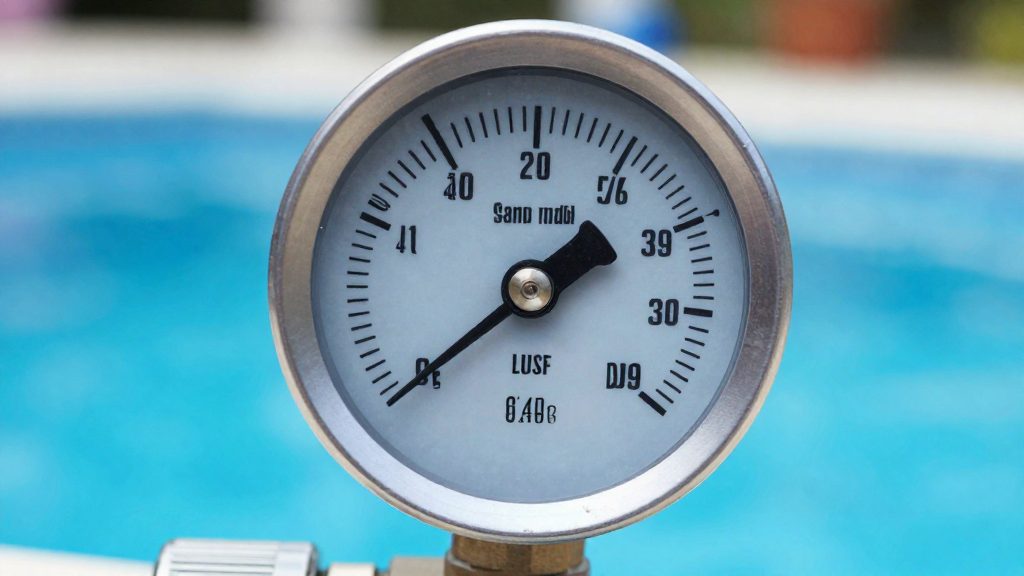
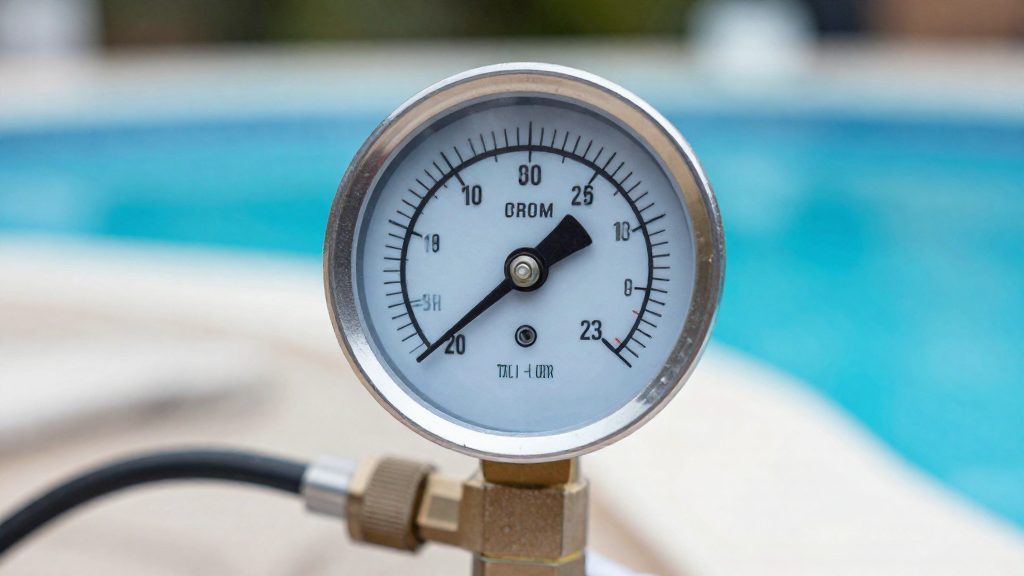
The most reliable indicator for when to start the process is the pressure gauge. As the filter captures debris, the internal pressure increases. You should initiate a backwash when the gauge shows a significant rise above the baseline operating pressure recorded when the filter was last clean.
Environmental factors also influence the frequency of this maintenance. You will likely need to backwash more often during periods of heavy use or after specific events that increase the debris load in the water.
| Filter Type | Cleaning Method | Indicator for Action |
|---|---|---|
| Sand Filter | Backwash & Rinse | Pressure gauge increase |
| D.E. Filter | Backwash & Recharge | Pressure gauge increase |
| Cartridge Filter | Manual Hose Cleaning | Pressure gauge increase |
Sand Filter vs D.E. Filter Backwashing Differences
While both systems use a backwash cycle to remove accumulated debris, the process and the aftermath differ based on the filter media used.
Sand filters rely on a bed of granular sand to trap particles. When backwashing, the water flow is reversed to lift and flush out the debris. A key step for sand filters is the rinse cycle, which resettles the sand bed and prevents trapped waste from returning to the pool.
Diatomaceous Earth (D.E.) filters use a fine powder that coats internal grids. Because the backwash process strips away this powder along with the debris, the filter loses its ability to trap fine particles immediately after the cycle. Consequently, you must replenish the system with a fresh D.E. slurry through the skimmer to restore filtration efficiency.
| Feature | Sand Filter | D.E. Filter |
|---|---|---|
| Media Type | Granular sand | Diatomaceous Earth powder |
| Post-Backwash Step | Rinse cycle to settle sand | Addition of new D.E. slurry |
| Primary Goal | Flush debris from sand bed | Clear grids and replace powder |
Step-by-Step Backwash Procedure for Sand Filters
To maintain optimal water quality, follow this sequence to clean your sand filter. The process involves reversing the water flow to flush out accumulated debris.
| Step | Action | Purpose |
|---|---|---|
| 1 | Shut off the pump | Protects the internal spider gasket from damage |
| 2 | Set valve to “Backwash” | Reverses flow to lift and clean the sand |
| 3 | Run the pump | Flushes waste water until the sight glass is clear |
| 4 | Shut off the pump | Allows for a safe valve position change |
| 5 | Set valve to “Rinse” | Resettles the sand and clears the lines |
| 6 | Run the pump | Resettles sand and flushes dirt out the waste line |
| 7 | Shut off the pump | Allows for a safe valve position change |
| 8 | Set valve to “Filter” | Returns the system to normal operation |
| 9 | Run the pump | Resumes normal filtration |
To execute this correctly, always ensure the pump is completely powered down before moving the multiport valve handle. Once the pump is restarted in the backwash position, run the cycle until the water in the sight glass appears clear.
The final rinse cycle is a vital step; it prevents cloudy water from returning to the pool through the jets after the process is complete.
How to Recharge a D.E. Filter After Backwashing
Because the backwash process strips away the filter powder, you must first perform the backwash procedure and then replenish the D.E. slurry to restore the filtration capacity of the system. Failing to do so will result in poor water clarity, as the filter grids will lack the necessary coating to trap fine particles.
To backwash and recharge a D.E. filter, follow these steps:
| Step | Action | Purpose |
|---|---|---|
| 1 | Shut off the pump | Protects the internal gasket |
| 2 | Set valve to “Backwash” | Reverses flow to clear the grids |
| 3 | Run the pump | Flushes waste until the sight glass is clear |
| 4 | Shut off the pump | Allows for a safe valve position change |
| 5 | Set valve to “Filter” | Prepares system for recharge |
| 6 | Run the pump | Ensures water flows through the grids |
| 7 | Add D.E. slurry | Replenishes the filter media via the skimmer |
| 8 | Note baseline pressure | Establishes the clean operating pressure |
Start the pump in “Filter” mode before adding the powder. The quantity of D.E. powder must be measured by weight according to manufacturer specifications. Typically, a full charge requires 1 lb per 5–10 sq. ft. of filter area; after a backwash, roughly 80% of that rating is needed because some residual powder remains on the grids. Slowly pour the mixture into the pool skimmer while the pump is running.
Allow the slurry to circulate for 3–5 minutes. After this period, the pressure gauge reading is noted as the new clean baseline operating pressure. A backwash is then initiated only when the pressure rises 8–10 PSI above this baseline.
Local Disposal Regulations and Water Chemistry Rebalancing
The water discharged during a pool filter backwash contains suspended solids and chlorine. Because of this, it is necessary to route the waste water to approved municipal disposal locations, such as a sanitary sewer cleanout or a designated absorption area. Always ensure your discharge method complies with local environmental and municipal wastewater codes to avoid penalties or soil contamination.
Every backwash cycle removes a significant volume of treated water from the system. This loss of water necessitates two primary corrective actions to maintain pool stability:
- Water Level Topping: You must refill the pool to the appropriate level to ensure the skimmers continue to operate efficiently.
- Chemical Rebalancing: Adding fresh water introduces untreated liquid into the pool, which dilutes the existing chemistry. You will need to test and adjust the free chlorine, pH, and cyanuric acid levels to return them to their target ranges.
| Action | Purpose | Key Parameters to Check |
|---|---|---|
| Refilling | Restore water level | Skimmer intake height |
| Rebalancing | Restore chemical equilibrium | Free chlorine, pH, Cyanuric acid |
Frequently asked questions
Can I backwash a cartridge filter?
No, this process is only for sand and D.E. filters. Cartridge filters must be taken out and cleaned manually with a hose.
How do I know when it is time to backwash?
You should start the process when the pressure gauge indicates a rise of 8 to 10 PSI over the baseline pressure of a clean filter.
Why must I turn off the pump before changing the valve setting?
Shutting down the pump prevents the internal rubber spider gasket from tearing when you move the multiport or slide valve handle.