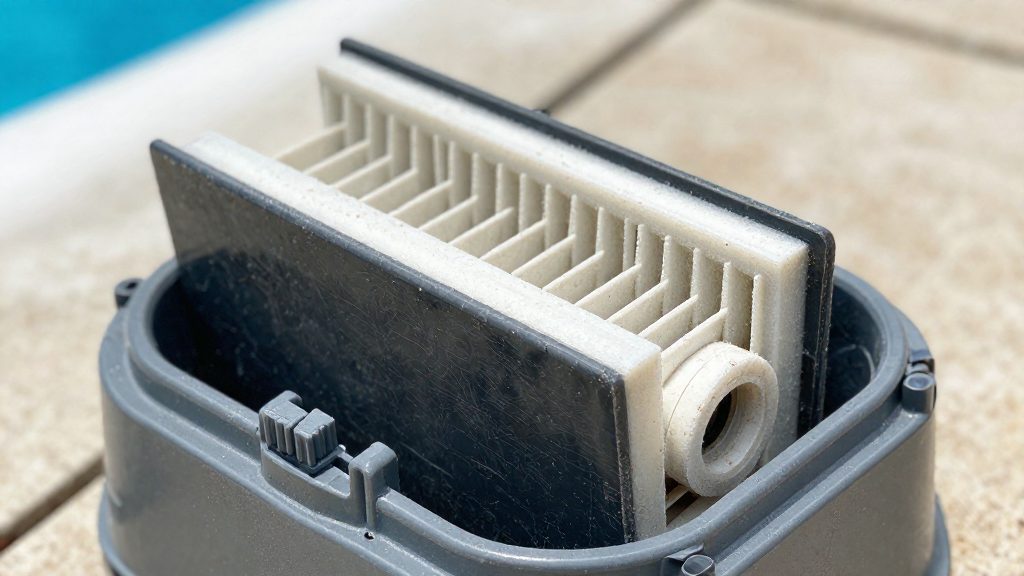
How Often Should You Clean a Pool Filter Cartridge?
Maintaining a consistent cleaning schedule ensures that your filtration system operates efficiently and extends the lifespan of the filter media. The frequency of maintenance depends on the type of cleaning performed and the current usage of the pool.
For basic maintenance, a routine rinse using a garden hose is necessary periodically during the active swimming season. This removes loose debris and prevents the buildup of organic matter. For more intensive maintenance, a chemical soak is required to break down oils, lotions, and minerals that a simple rinse cannot remove. Finally, a comprehensive deep cleaning should be performed annually to prepare the system for the next season.
The following table outlines the general maintenance calendar for a pool filter cartridge:
| Cleaning Type | Frequency | Purpose |
|---|---|---|
| Garden Hose Rinse | Every few weeks | Remove loose debris |
| Chemical Soak | Every few months | Degrease oils and lotions |
| Seasonal Deep Clean | Annually | Full system restoration |
Beyond the calendar, certain events trigger an immediate need for cleaning regardless of the date. You should clean the pool filter cartridge after clearing an algae bloom, following significant dust or rain storms, or during your pool opening and closing procedures. Following these maintenance intervals prevents permanent clogging and ensures optimal water clarity.
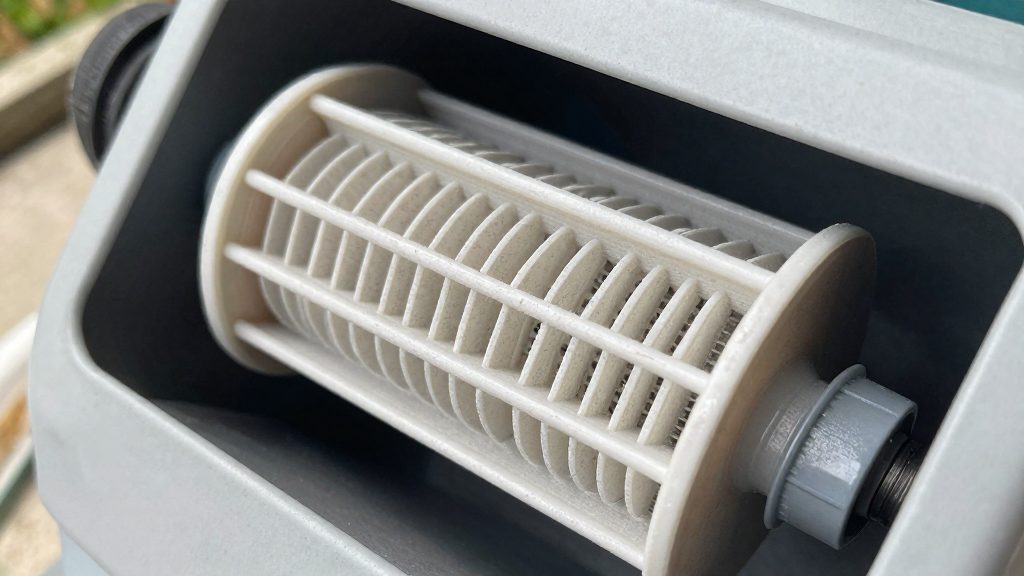
The 8 to 10 PSI Rule for Pressure Gauges
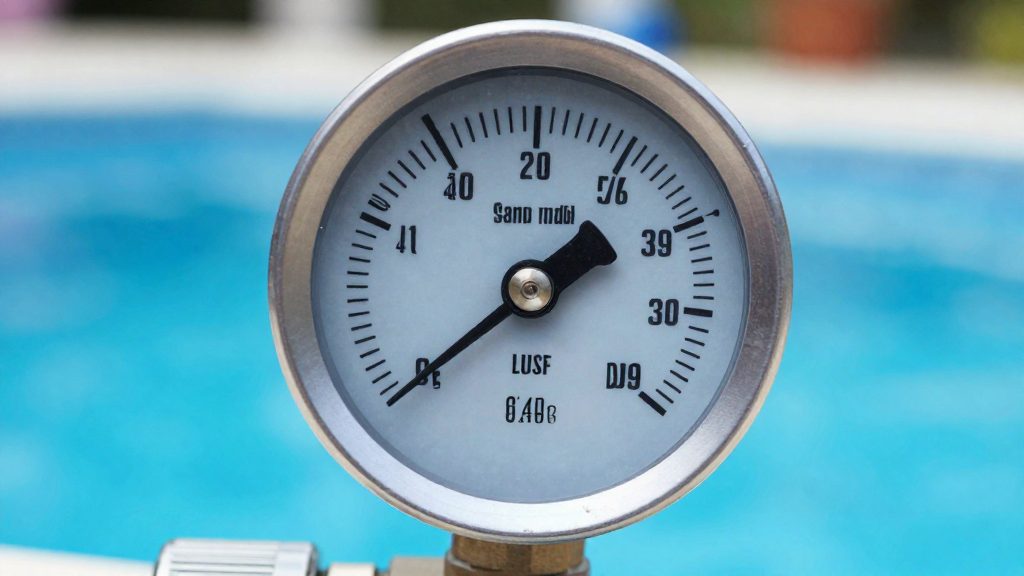
The most reliable technical indicator for maintaining your pool filter cartridge is the pressure gauge. Rather than relying solely on a calendar, monitoring the baseline operating pressure allows you to determine exactly when the filter media is too saturated to function efficiently.
When your pool filter cartridge is clean, the gauge will show a steady starting pressure. This baseline varies depending on your specific plumbing layout and the speed at which your pump is running. Once this starting point is established, you can track the gradual increase in pressure as debris accumulates within the pleats.
The general rule for maintenance is to trigger a cleaning once the gauge shows a significant rise above that initial baseline. Specifically, a rise of 8 to 10 PSI indicates that the filter is restricted and requires immediate attention to restore proper flow.
| Pressure State | Condition | Action Required |
|---|---|---|
| Baseline | Clean cartridge | Establish and record starting pressure |
| Moderate Rise | Accumulating debris | Continue monitoring |
| High Rise | Significant restriction | Perform immediate cleaning |
It is important to remember that pump speed directly influences these readings. If you adjust your pump settings or use variable speed controls, your baseline pressure will shift, and you must establish a new reference point for that specific speed.
Signs Your Cartridge Needs Immediate Cleaning
While a routine calendar is helpful, certain environmental factors and performance drops require you to clean your pool filter cartridge ahead of schedule. Relying solely on a date can lead to poor water quality if the filter becomes prematurely saturated.
The most prominent indicator is a noticeable reduced water flow at the return jets. When the filter media is clogged with debris, the pump struggles to push water through the pleats, resulting in a weaker stream of water entering the pool. This restriction often manifests as cloudy water that persists even when your chemical levels are perfectly balanced. If the water looks dull or hazy despite correct dosing, the filter is likely unable to trap fine particles due to a lack of available surface area.
Visual inspection also provides immediate answers. If you remove the element and see a heavy accumulation of debris or organic matter trapped within the pleats, the cartridge is compromised.
| Trigger Event | Visual or Performance Sign |
|---|---|
| After an algae bloom | Green or brown residue in pleats |
| Following heavy rain or dust storms | Visible silt and sediment buildup |
| Pool opening or closing | High concentration of organic debris |
| General saturation | Weak return flow at pool jets |
How to Rinse and Deep Clean Filter Cartridges
Maintaining your pool filter cartridge requires two distinct methods: routine rinsing and periodic deep cleaning.
Routine Rinsing
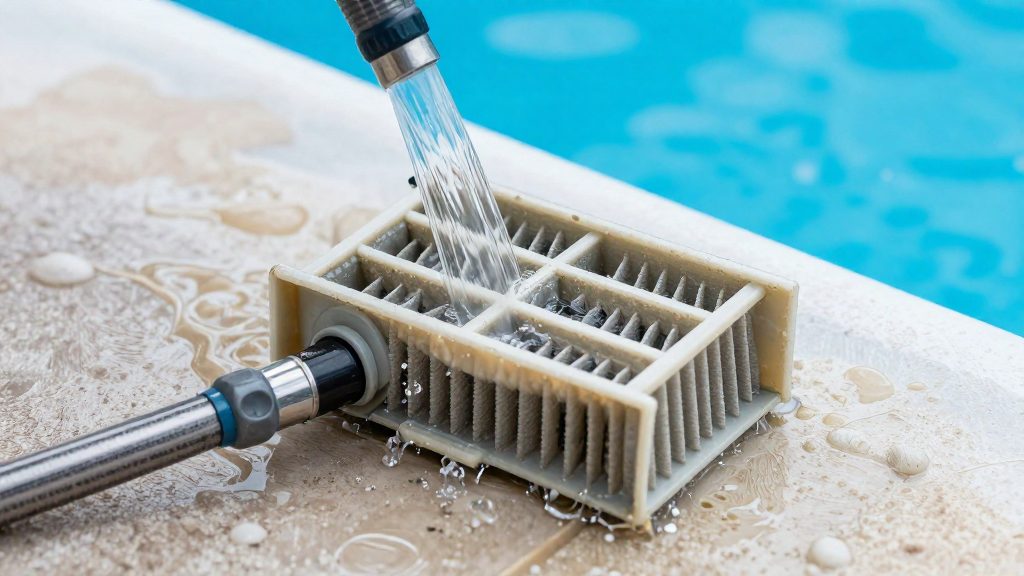
For regular maintenance, remove the filter cartridge and use a garden hose equipped with a spray nozzle. Direct the stream of water through the pleats to flush out accumulated debris. Ensure you spray from the top down to push particles out of the media. This process removes loose organic matter and prevents the buildup of surface contaminants.
Deep Cleaning and Degreasing
Over time, routine rinsing cannot remove own-body oils, sunscreens, and lotions that bind to the fibers. To address this, a chemical soak is necessary.
| Step | Action | Purpose |
|---|---|---|
| 1 | Rinse | Remove loose debris with a hose. |
| 2 | Soak | Submerge the cartridge in a specialized degreaser solution. |
| 3 | Wait | Allow the cartridge to soak for several hours. |
| 4 | Final Rinse | Thoroughly flush the media before reinstalling. |
The chemical solution breaks down the oily residues that restrict water flow. For the treatment to be effective, the filter cartridge must remain submerged in the solution for a duration of several hours.
Once the degreasing process is complete, rinse the cartridge thoroughly to ensure no chemical residue remains before placing it back into the filter housing.
Common Mistakes That Ruin Filter Cartridges
Maintaining a filter cartridge requires the right approach to avoid permanent damage. Using the wrong tools or incorrect chemical sequences can compromise the integrity of the media, leading to premature replacement.
One of the most frequent errors is the use of pressure washers. While the high force may seem effective for removing debris, it is too aggressive for the delicate material. This process rips and frays the polyester pleat fibers, creating gaps that allow contaminants to bypass the filtration system entirely.
Chemical sequencing is equally important. A common mistake is performing an acid wash before the media has been properly degreased. When acid is applied to cartridges still coated in body oils and sunscreens, it can permanently bake these oils into the spunbonded polyester media. To prevent this, always remove organic oils first.
| Mistake | Consequence | Correct Approach |
|---|---|---|
| Using a pressure washer | Ripped and frayed fibers | Use a garden hose or filter wand |
| Acid wash before degreasing | Baked-in oils and lotions | Degrease fully before acid treatment |
| Excessive scrubbing | Physical media breakdown | Use gentle water pressure |
When Should You Replace a Filter Cartridge?
While regular maintenance extends the life of your equipment, every filter cartridge eventually reaches a point where cleaning no longer restores its efficiency. Recognizing the signs of fiber breakdown is essential to maintain water clarity and protect your pump from unnecessary strain.
You should replace your filter cartridge when you observe the following physical or operational warning signs:
| Warning Sign | Description | Impact |
|---|---|---|
| Physical Damage | Torn, frayed, or ripped polyester pleats | Debris bypasses the media and returns to the pool |
| Permanent Staining | Deep discoloration that persists after chemical soaking | Embedded oils and minerals block water flow |
| Pressure Issues | Failure to return to baseline PSI after a deep clean | Restricted flow and increased pump resistance |
If you notice a persistent drop in water return flow at the pool jets or if the water remains cloudy despite your best cleaning efforts, the internal structure of the media has likely collapsed. Over time, the repeated process of rinsing and chemical soaking wears down the material, making it impossible for the system to reach its original operating pressure.
Frequently asked questions
How do I know exactly when to clean my filter without a calendar?
Monitor your pressure gauge and perform a cleaning once the reading rises 8 to 10 PSI above your clean baseline. You can also look for physical signs like cloudy water or reduced flow from the return jets.
Can I use a pressure washer to clean the cartridge pleats?
No, you must only use a garden hose or a specialized wand because high-pressure washers can rip and fray the delicate polyester fibers. This damage permanently reduces the filter’s effectiveness.
When should I perform a cleaning regardless of the scheduled date?
Immediate maintenance is necessary after you have treated an algae bloom, following heavy rain or dust storms, or during the seasonal opening and closing of your pool.