When Should You Open Your Pool in Spring?
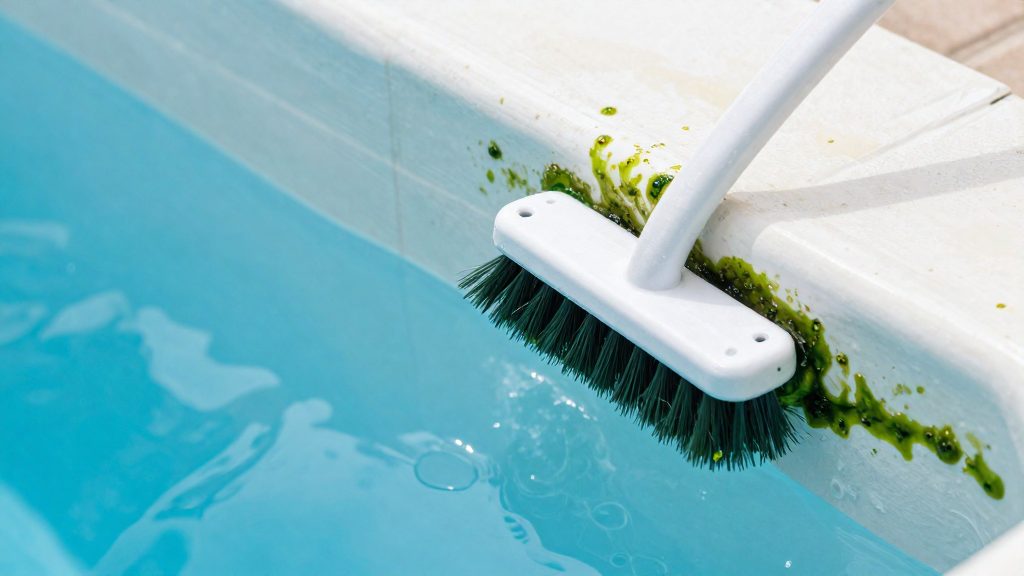
Timing the opening of your pool is a balance between wanting to swim and managing water chemistry. The primary goal is to avoid the window where water is warm enough to support biological growth but not yet treated with active sanitizers.
You should open your pool when consistent daily outdoor temperatures remain around or above 65°F–70°F (18°C–21°C). Opening too early during fluctuating temperatures is manageable, but waiting too long while the weather warms can lead to rapid algae blooms in untreated water.
Spring Opening Checklist
To ensure a systematic startup, follow this consolidated checklist:
Before removing the winter cover, you must address the accumulation of waste on top. Use a cover pump to remove standing water and a leaf rake to clear organic debris. This step is essential to prevent contaminants from falling directly into the pool during the uncovering process, which would otherwise increase the chemical demand and complicate the cleaning phase.
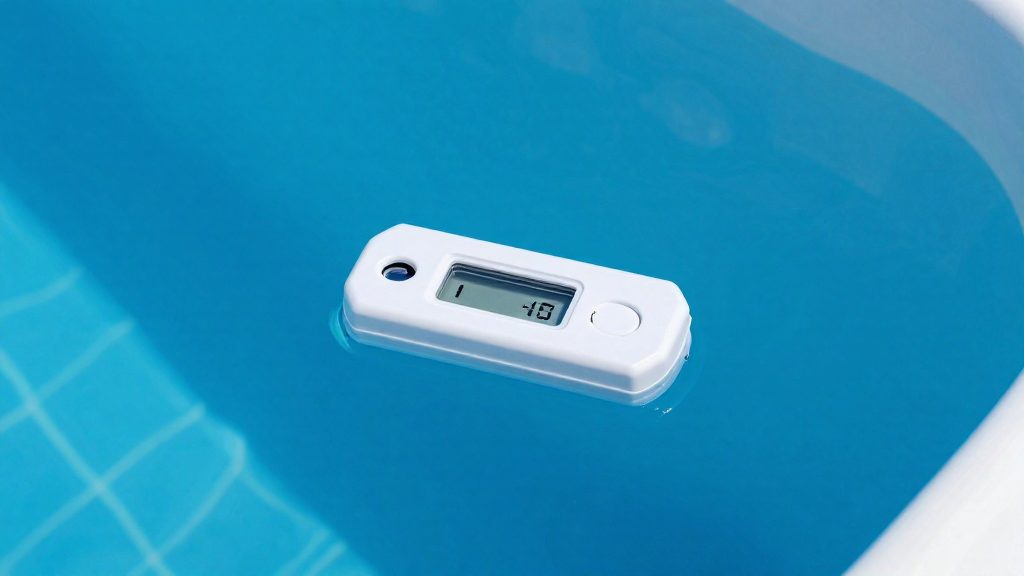
Inspecting and Reassembling the Filtration Equipment
Before activating the circulation system, you must ensure the mechanical integrity of all components to prevent air leaks and equipment damage. Begin by inspecting all rubber O-rings located on the pump lid, filter valves, and unions. These seals often dry out or crack during the winter months.
To ensure an airtight seal, apply a lubricant specifically designed for pool equipment. Use only 100% silicone or Teflon-based lubricants.
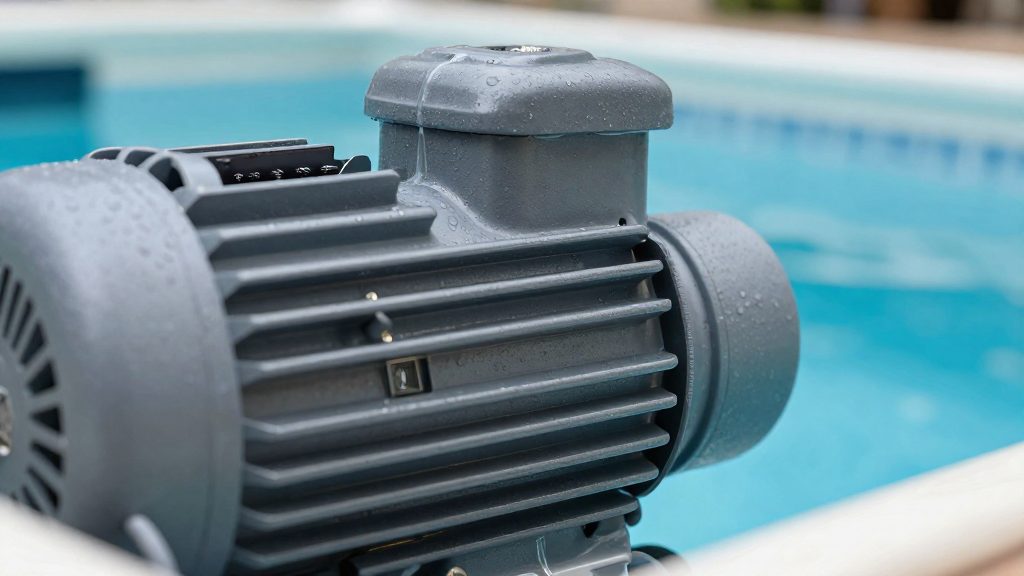
Once the seals are lubricated, verify the condition of your filter media. Depending on your system, this involves checking the seating of clean cartridge elements or preparing the sand or DE (diatomaceous earth) for the first cycle. Finally, perform the pump priming process by filling the pump pot with water. This removes trapped air and prevents the motor from running dry, which could cause overheating or mechanical failure.
| Component | Action | Required Material |
|---|---|---|
| O-rings & Seals | Lubricate | Silicone or Teflon-based lubricant |
| Filter Media | Inspect/Seat | Cartridges, Sand, or DE |
| Pump Pot | Prime | Water |
Filling and Handling Well Water Metals
When using well water to top off your spring pool, the primary goal is to prevent dissolved minerals from reacting with your sanitizers. Well water often contains iron and copper, which can cause unsightly discoloration and permanent staining if not managed correctly.
To mitigate these risks, use a hose-end filter (sediment, carbon, or metal-specific) during the filling process. This pre-filtration step blocks particulate rust and dissolved metals before they ever enter the pool shell.
Once the pool is filled, you must address any remaining dissolved metals before introducing strong oxidizers. Adding chlorine to unsequestered well water causes iron and copper to oxidize instantly, which typically turns the water brown or green. To prevent this, add a metal sequestrant (chelating agent) and allow it to circulate through the system for several hours. This process binds the metals, keeping them in solution and preventing them from precipitating onto your pool surfaces.
| Step | Action | Purpose |
|---|---|---|
| 1 | Hose-end pre-filtration | Blocks metals and rust at the source |
| 2 | Metal sequestrant addition | Binds dissolved minerals |
| 3 | Circulation period | Ensures uniform distribution before oxidation |
How Do You Balance Water Chemistry in the Correct Sequence?
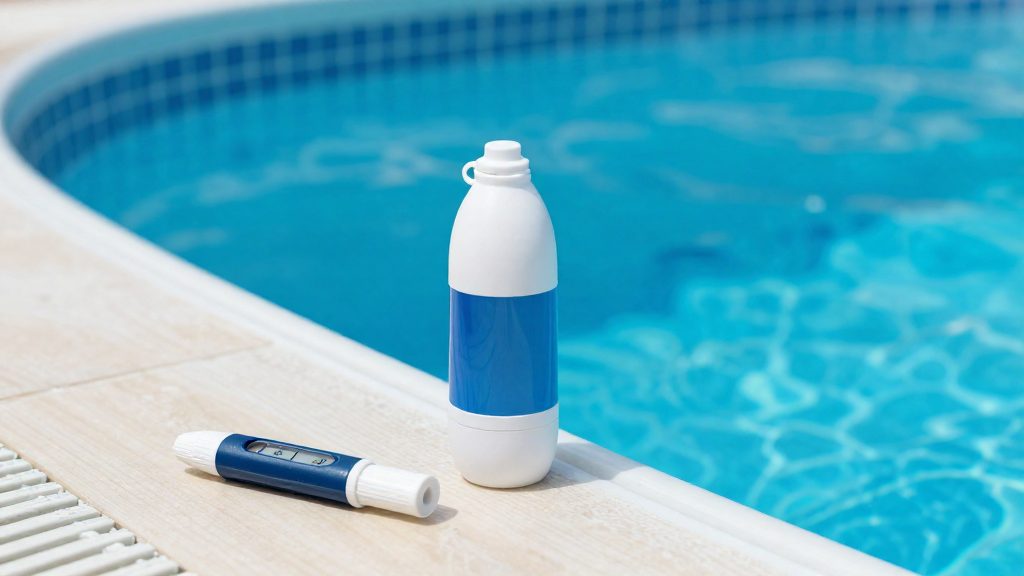
Achieving stable water quality requires following a strict chemical balancing sequence. Adding chemicals in a random order can lead to instability, where adjusting one parameter inadvertently shifts another, forcing you to repeat the process multiple times.
To ensure maximum stability, you must address the water’s foundation before moving to the sanitizers. The correct order of operations is as follows:
| Sequence | Parameter | Primary Goal |
|---|---|---|
| 1 | Total Alkalinity | Stabilize pH levels to prevent rapid swings |
| 2 | pH | Ensure swimmer comfort and equipment protection |
| 3 | Calcium Hardness | Prevent scaling or corrosive water |
| 4 | Cyanuric Acid | Protect chlorine from UV degradation |
| 5 | Sanitizer/Shock | Eliminate contaminants and prevent algae |
Start by adjusting the Total Alkalinity. This acts as a buffer for your pH; if alkalinity is too low, your pH will fluctuate wildly. Once the alkalinity is stable, you can accurately set the pH. Only after these two are balanced should you address Calcium Hardness and Cyanuric Acid (stabilizer).
Once the foundation is set, you can introduce your sanitizer to ensure the spring pool is safe for use. This systematic approach prevents chemical waste and ensures the water remains clear and balanced throughout the season.
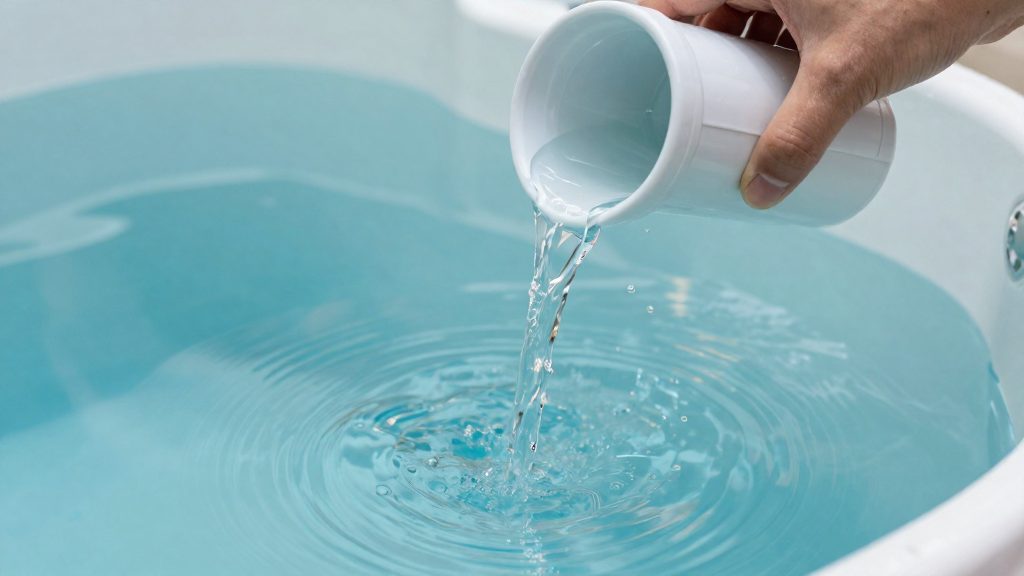
Shocking the Water and Clearing Winter Contaminants
Once the water chemistry is balanced and the filtration system is running, the final step is to eliminate organic loads and winter contaminants through oxidation. This process involves applying a high dose of sanitizer to destroy bacteria, break down organic debris, and neutralize any dormant algae that may have survived the winter.
To maximize the effectiveness of the treatment, apply the chlorine shock—whether using calcium hypochlorite or liquid sodium hypochlorite—at dusk or after sunset. This prevents ultraviolet rays from the sun from degrading the free chlorine before it can fully treat the water.
| Step | Action | Purpose |
|---|---|---|
| 1 | Sequester Metals | Prevent staining from well water metals |
| 2 | Apply Shock | Oxidize organic contaminants and bacteria |
| 3 | Continuous Filtration | Ensure uniform dispersion and debris removal |
By following this sequence, you ensure the sanitizer works efficiently to clear the water without triggering adverse chemical reactions or wasting product.
Post-Opening Filtration and First-Swim Safety Checks
Once the initial chemistry is set, the focus shifts to achieving total water clarity and ensuring the environment is safe for swimmers. The most effective way to achieve this is through continuous circulation.
Running the pump and filtration system without interruption for a period of one to two days allows the system to remove lingering winter particulates and ensures that all added chemicals are distributed evenly throughout the entire volume of the spring pool. This prevents “pockets” of high chemical concentration and ensures the sanitizer is working effectively in every corner of the basin.
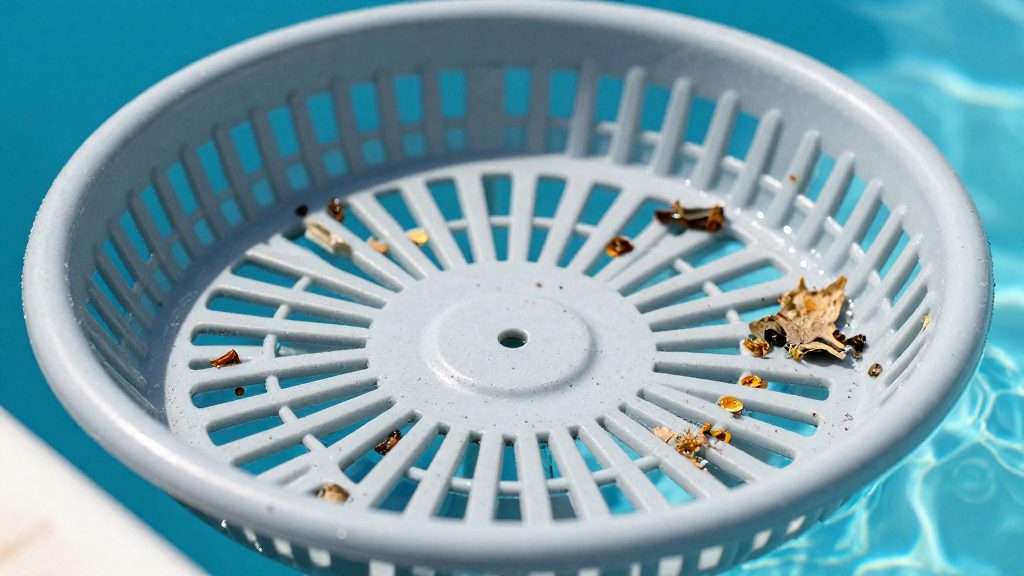
Before allowing anyone to enter the water, perform a final check of the water level. The water should be positioned at the midpoint of the skimmer opening to ensure optimal surface skimming and to prevent the pump from drawing air.
| Checkpoint | Action | Goal |
|---|---|---|
| Pump Runtime | Run continuously for 24 to 48 hours | Uniform chemical dispersion and debris removal |
| Water Level | Verify midpoint of skimmer opening | Maintain hydraulic efficiency and surface cleaning |
| Water Clarity | Visual inspection for cloudiness | Confirm filtration has removed winter particulates |
Frequently asked questions
When is the best time to open my pool for the season?
You should begin the process once outdoor temperatures consistently stay between 65°F and 70°F. Opening too late during warm weather can lead to sudden algae blooms in untreated water.
In what order should I adjust my pool chemicals?
You must follow a specific balancing sequence to ensure stability: start with Total Alkalinity, then pH, Calcium Hardness, Cyanuric Acid, and finally the sanitizer.
Why should I clean the cover before removing it?
Removing standing water and debris first prevents contaminants from falling into the pool. This reduces the overall chemical demand and simplifies the initial cleaning phase.