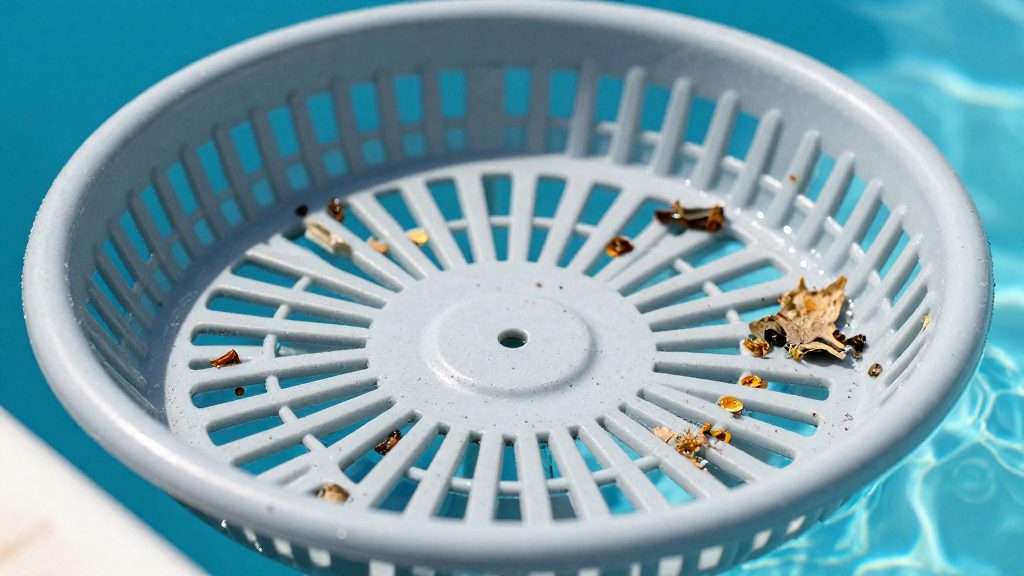
Signs Your Pool Needs Shocking
Recognizing when your pool water requires a shock treatment is essential for maintaining hygiene and clarity. While regular sanitization handles daily bacteria, certain triggers indicate that the water has reached a point where standard dosing is insufficient.
The most immediate visual indicator is cloudy water. When the water loses its crystalline transparency and appears milky or hazy, it often signals an accumulation of organic contaminants or the early stages of an algal bloom. This is frequently exacerbated by environmental factors such as heavy rainfall, intense heat waves, or a high bather load during pool parties.
Chemically, the primary trigger is the buildup of combined chlorine. When total chlorine minus free chlorine exceeds 0.5 ppm, the sanitizer is no longer effective at killing pathogens and instead causes the characteristic “chlorine smell” and eye irritation. At this stage, the pool requires oxidation to break down these chloramines.
To prevent these issues from arising, a routine shock calendar is recommended.
| Trigger Type | Indicator | Action Required |
|---|---|---|
| Visual | Milky or hazy water | Immediate shock treatment |
| Chemical | Combined chlorine above 0.5 ppm | Breakpoint chlorination |
| Preventative | Active swimming season | Shock every 1 to 2 weeks |
| Environmental | Heavy rain or high bather load | Supplemental shock dose |
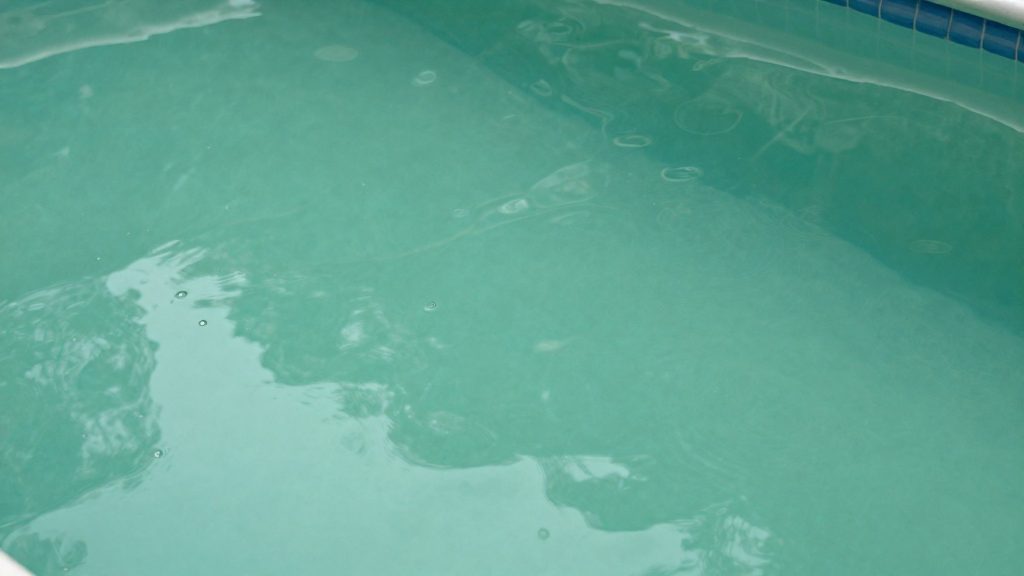
Why You Should Always Shock at Night
Timing is a fundamental factor in the success of your water treatment. The most effective time to apply shock is during the late evening, at dusk, or throughout the night. This strategy is based on the chemical vulnerability of sanitizers when exposed to the environment.
The primary reason for this timing is UV protection. Sunlight contains ultraviolet rays that rapidly degrade free chlorine. If you apply shock during the day, a significant portion of the active sanitizer is destroyed by the sun before it has the chance to neutralize contaminants. By waiting until the sun sets, you eliminate this degradation process, ensuring that the chemical remains active in the water for a longer period.
Applying treatment at night allows for maximizing oxidation efficiency. Without the interference of solar radiation, the chlorine can focus entirely on breaking down organic matter and eliminating chloramines. This ensures that the shock treatment works more effectively to restore water clarity and hygiene.
| Timing | Impact on Sanitizer | Result |
|---|---|---|
| Daytime | Rapid UV degradation | Reduced efficacy and wasted product |
| Nighttime | No UV interference | Maximum oxidation and stability |
How to Test Water Before Shocking
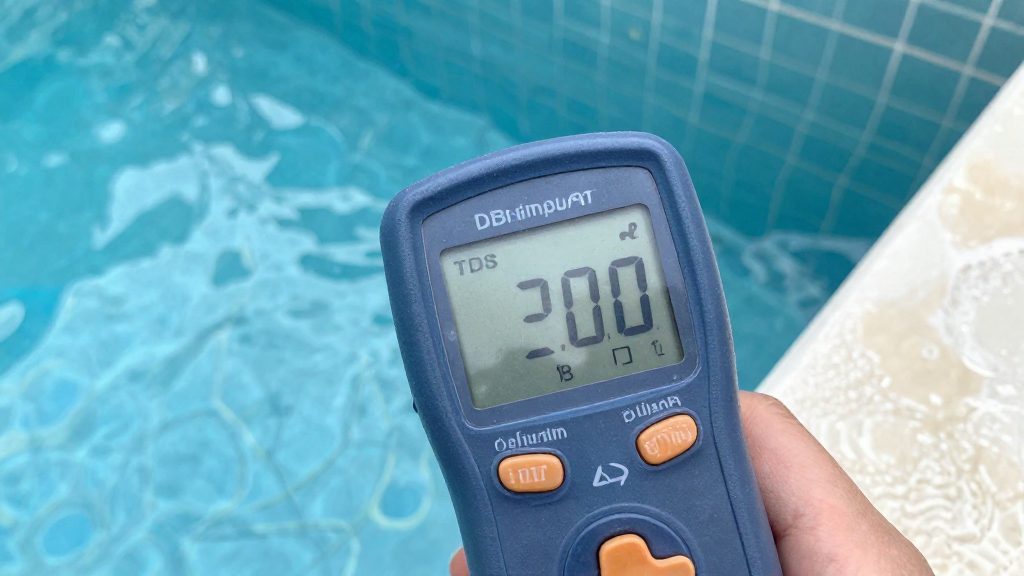
Before adding chemicals, you must establish a chemical baseline. Shocking a pool without testing can lead to wasted product or reduced sanitizer efficiency. The primary goal is to ensure the water environment allows the chlorine to work effectively.
First, check the pH level. If the pH is too high or too low, the chlorine in your shock treatment will not oxidize contaminants efficiently. You should adjust the water to fall within the ideal range of 7.2 to 7.6 before proceeding.
Next, measure your chlorine levels to determine if a shock treatment is actually necessary. You need to distinguish between the chlorine that is actively disinfecting the water and the chlorine that has become “used up” or bound to contaminants.
| Metric | Purpose | Action |
|---|---|---|
| Free Chlorine | Active disinfecting power | Verify if levels have dropped below the normal range |
| Total Chlorine | Sum of all chlorine in water | Use as a starting point to calculate combined chlorine |
| Combined Chlorine | Bound chlorine (chloramines) | Determine if accumulation requires a shock treatment |
To identify the need for shocking, calculate the combined chlorine by subtracting the free chlorine from the total chlorine. When combined chlorine exceeds the established threshold, it indicates an accumulation of chloramines that must be removed through breakpoint chlorination.
Which Type of Pool Shock Should You Use?
Selecting the right chemical agent depends on your current water chemistry and the specific goal of the treatment. While all shock treatments aim to eliminate contaminants, the chemical composition of the product affects your water hardness and overall balance.
The most common options include:
| Shock Type | Primary Characteristic | Best Use Case |
|---|---|---|
| Calcium Hypochlorite | Granular chlorine that increases calcium levels | Standard maintenance for pools with low calcium hardness |
| Sodium Hypochlorite | Liquid chlorine that does not add calcium | Quick action or pools already high in calcium |
| Potassium Monopersulfate | Non-chlorine oxidizer | Removing organic waste without raising chlorine levels |
Calcium Hypochlorite is a popular choice for routine maintenance due to its stability and ease of storage. However, because it adds calcium to the water, it may lead to scaling if your pool already has high calcium hardness. In such cases, Sodium Hypochlorite is a better alternative as it provides a powerful chlorine boost without affecting hardness.
If you need to oxidize organic contaminants without significantly increasing the chlorine concentration—or if you want to return to swimming more quickly—Potassium Monopersulfate is an effective non-chlorine option.
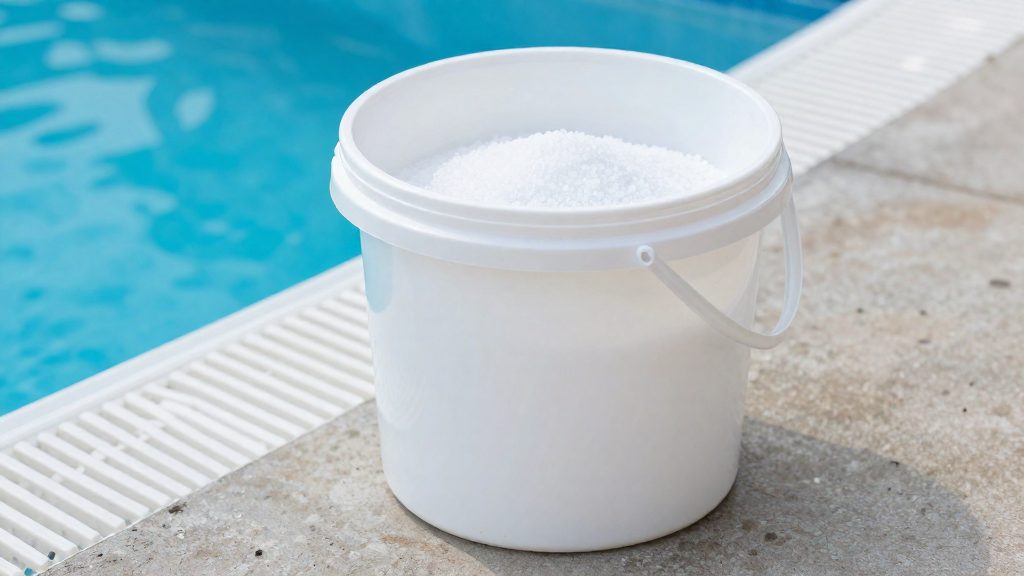
Step-by-Step Pool Shocking Process
To effectively eliminate contaminants and restore water clarity, the execution of the shocking procedure must focus on total water movement and chemical saturation.
First, distribute the chosen shock product across the surface of the pool. For granular options, it is best to broadcast the product evenly to avoid concentrated deposits on the pool floor. Once the chemicals are added, the pool pump must be operated continuously. Running the filtration system for a prolonged period ensures that the sanitizer reaches every corner of the basin and prevents stagnant zones where algae could persist.
The goal of this process is to achieve breakpoint chlorination. This occurs when enough free chlorine is added to the water to fully oxidize the combined chlorine (chloramines), effectively “breaking” the bond and removing the irritating by-products from the water.
| Step | Action | Purpose |
|---|---|---|
| 1 | Chemical Distribution | Ensures even coverage across the water surface |
| 2 | Continuous Filtration | Promotes full circulation and debris removal |
| 3 | Oxidation Phase | Triggers breakpoint chlorination to clear chloramines |
When Is It Safe to Swim After Shocking?
Returning to the water too quickly after a shock treatment can lead to discomfort. High concentrations of sanitizer can cause skin and eye irritation, making it essential to verify that the water has returned to a balanced state before anyone enters.
The primary indicator for safe re-entry is the level of free chlorine. While the shock process intentionally spikes this level to eliminate contaminants, you must wait for it to subside. Swimmers should not enter the pool until the free chlorine has dropped to a safe threshold.
| Status | Free Chlorine Level | Action |
|---|---|---|
| Unsafe | Above 5.0 ppm | Keep swimmers out of the pool |
| Safe | 5.0 ppm or below | Re-entry permitted |
| Ideal | 1.0 to 4.0 ppm | Optimal for routine swimming |
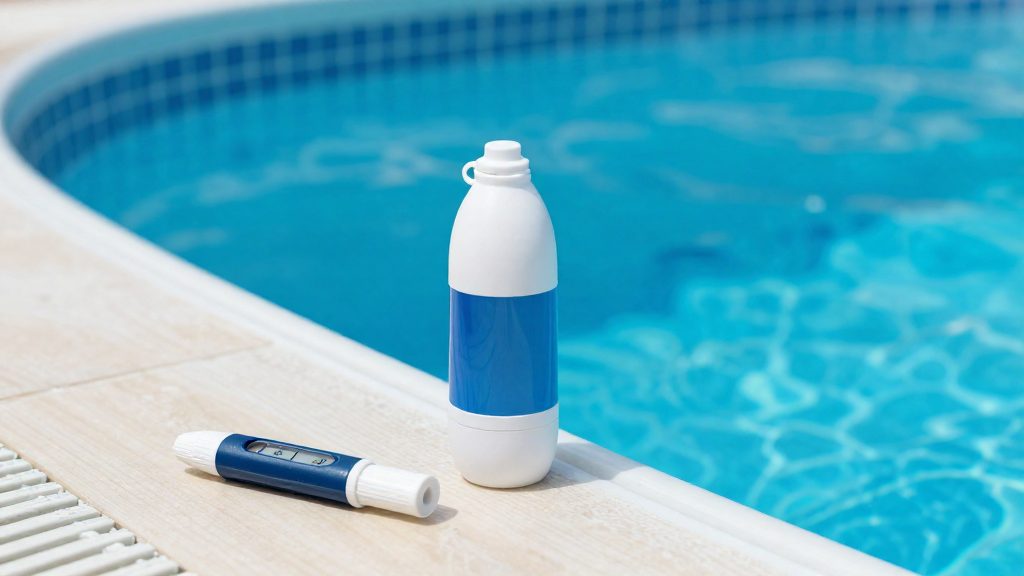
To ensure the best experience, aim for the ideal range of 1.0 to 4.0 ppm. This ensures the water is sanitized enough to prevent algae and bacteria growth without being harsh on the skin or swimwear. Always use a reliable test kit to confirm these levels rather than guessing based on the time elapsed since the treatment.
Frequently asked questions
How often should I shock my pool during the summer?
During the active swimming season, it is recommended to perform a shock treatment every 1 to 2 weeks. This preventative routine helps maintain water clarity and prevents the buildup of contaminants.
Why does my pool smell like chlorine even though I add sanitizer?
This scent is caused by combined chlorine exceeding 0.5 ppm, which means the sanitizer is no longer effective. You need to perform a shock treatment to oxidize these chloramines and restore water quality.
When is the best time of day to apply shock?
You should apply shock during the late evening or night. This protects the chemicals from UV rays, which would otherwise degrade the chlorine before it can properly sanitize the water.