What Is Chlorine Demand in Private Well Water?
Chlorine demand is the amount of chlorine that is chemically consumed by substances present in raw well water before a stable, measurable amount of chlorine remains. In a private well, various minerals and organic materials act as “consumers,” reacting with the chlorine as soon as it is introduced. Until these substances are fully oxidized or neutralized, no chlorine is available to provide ongoing disinfection.
It is important to distinguish between the total amount of chlorine added to the system and what actually remains in the water. This relationship is defined by three distinct concepts:
- Chlorine Dosage: The total amount of chlorine injected into the water supply.
- Chlorine Demand: The portion of that dosage used up by reacting with contaminants.
- Free Chlorine Residual: The remaining chlorine that persists after the demand has been met.
The free chlorine residual is the most important factor for water safety, as it provides the active disinfecting power needed to prevent bacterial regrowth within the plumbing. If the dosage is equal to or less than the demand, the residual will be zero, leaving the water unprotected.
| Term | Role in Water Treatment | Result |
|---|---|---|
| Dosage | Input | Total chlorine added |
| Demand | Consumption | Chlorine lost to chemical reactions |
| Residual | Protection | Active chlorine available for disinfection |
Why High Iron, Manganese, and Sulfur Drain Chlorine Levels
When treating well water, chlorine does not immediately become available for disinfection. Instead, it first reacts with dissolved minerals and gases.
Iron, manganese, and sulfur are the primary contributors to this demand. These substances are oxidized by the chlorine, meaning the chlorine binds with them to change their chemical state. For example, soluble ferrous iron is converted into an insoluble form that can then be filtered out. Similarly, hydrogen sulfide gas is oxidized into sulfate. Mineral oxidation and microbial inactivation can occur at the same time, but chlorine “spent” on these minerals is no longer available as disinfectant, so judge disinfection by the measured residual and the effective contact time rather than by the dose alone.
The amount of chlorine required varies significantly depending on the specific contaminant present. Sulfur, in particular, typically requires a much higher volume of chlorine to neutralize than iron does.
| Contaminant | Chemical Reaction Effect | Impact on Chlorine |
|---|---|---|
| Iron | Oxidation of soluble ferrous iron | Moderate consumption |
| Manganese | Oxidation of dissolved manganese | Moderate consumption |
| Sulfur | Oxidation of hydrogen sulfide to sulfate | High consumption |
How to Test and Calculate Well Water Chlorine Demand
To determine the chlorine demand of your well water, you must identify how much chlorine is consumed by contaminants before a stable residual remains. This process is essential for ensuring that your disinfection system is effective without over-treating the water.
Testing Procedure
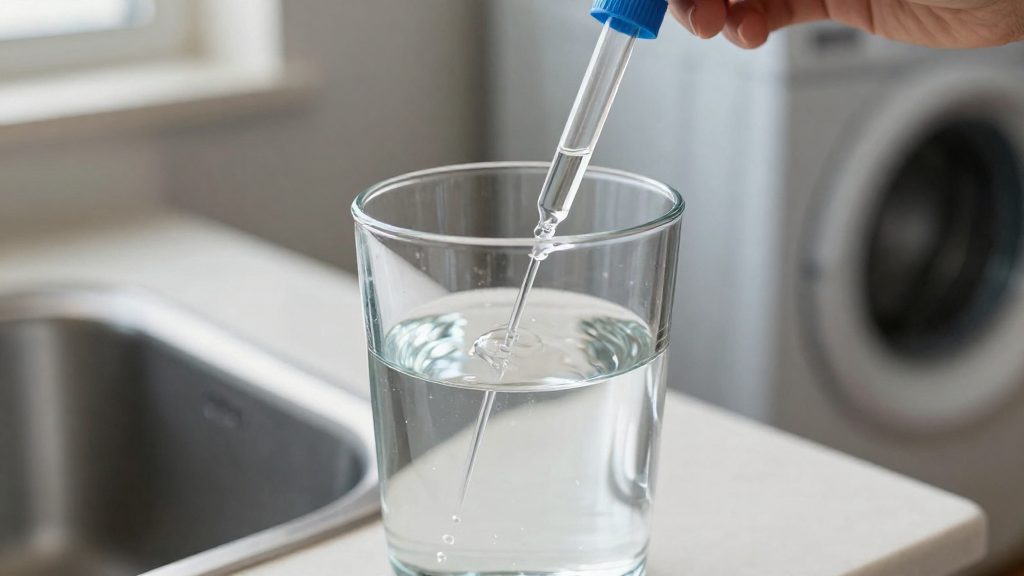
The most common method for measuring demand in residential systems is using DPD colorimetric testing kits. The general process involves:
- Collecting a raw water sample.
- Adding a known dose of chlorine.
- Allowing a specific contact incubation period to let the chlorine react with organic matter, iron, or hydrogen sulfide.
- Testing the remaining free chlorine residual.
Calculating the Dosage
Once you have your test results, you can determine the necessary dosage. The total amount of chlorine to add is the sum of the water’s demand and the residual level you wish to maintain for safety.
| Component | Role in Calculation |
|---|---|
| Chlorine Demand | The amount consumed by impurities in the raw water |
| Desired Residual | The amount of free chlorine remaining after demand is met |
| Total Dosage | The sum of Demand + Desired Residual |
Continuous Injection vs Shock Chlorination Dosing
Managing well water chlorine demand requires choosing between a steady maintenance approach and a high-intensity treatment. The choice depends on whether the goal is daily water quality management or the elimination of a sudden contamination event.
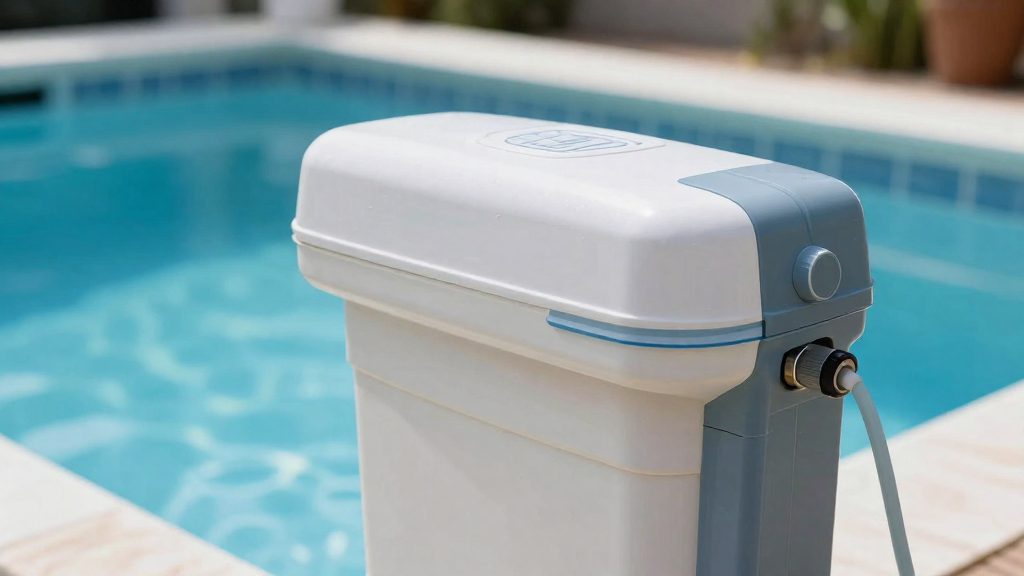
Continuous injection is designed for ongoing protection. This method involves a dosing pump that adds chlorine to the water stream to neutralize dissolved minerals and maintain a stable residual. This ensures that the water remains sanitary as it moves through the plumbing.
In contrast, shock chlorination is an emergency procedure. Instead of a steady drip, a high concentration of chlorine is introduced directly into the well water column. This aggressive approach is used to overcome heavy bacterial loads and break down established biofilms that a standard injection system could not penetrate.
| Feature | Continuous Injection | Shock Chlorination |
|---|---|---|
| Primary Goal | Daily disinfection & mineral oxidation | Emergency decontamination |
| Application | Constant dosing via pump | Single high-dose treatment |
| Target | Stable free chlorine residual | High concentration throughout the well |
| Frequency | Permanent/Ongoing | Occasional/As needed |
Sizing Contact Tanks for Adequate Disinfection Time
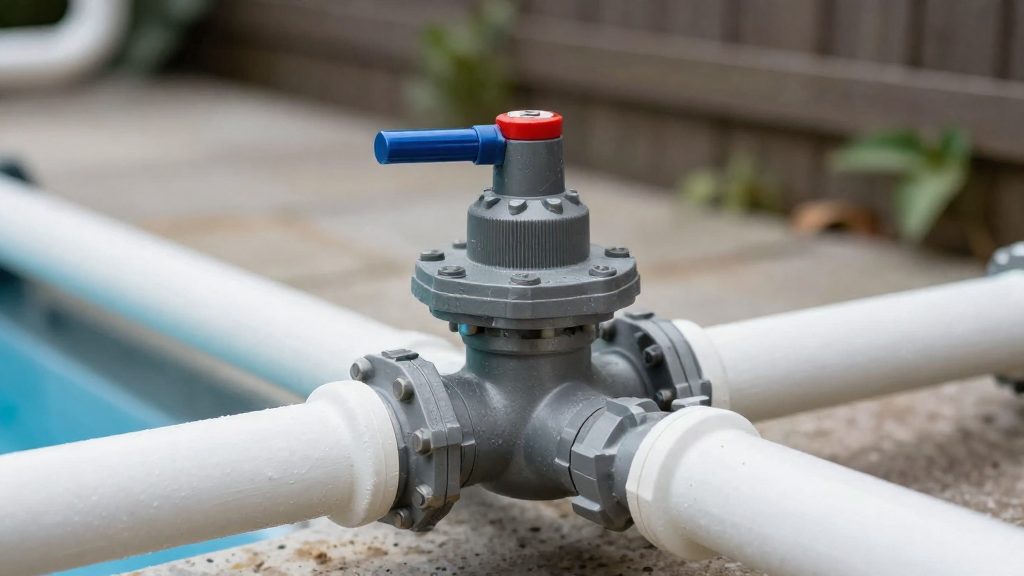
To ensure that chlorine effectively neutralizes pathogens and oxidizes contaminants, the water must remain in contact with the disinfectant for a sufficient duration before reaching the point of use. This is achieved by installing a contact tank, which acts as a retention vessel to prevent the water from moving too quickly through the system.
The primary goal of sizing these tanks is to maintain a consistent contact time. If the tank is too small or the flow rate is too high, the chlorine may not have enough time to overcome the chlorine demand and establish a stable residual, potentially leaving the water inadequately treated.
When determining the appropriate tank volume, consider the following factors:
| Factor | Impact on Sizing |
|---|---|
| Peak Flow Rate | Higher flow rates require larger tanks to maintain the same residence time. |
| Water Quality | High levels of organic matter or minerals may require longer contact periods. |
| Target Residual | The desired level of free chlorine downstream influences the necessary retention. |
By prioritizing retention time, you ensure that the chemical reaction between the chlorine and the raw well water is fully realized, providing a reliable barrier against biological contaminants before the water enters the home distribution system.
How to Remove Chlorine Residual Before Home Filtration
Once the chlorine has fulfilled its role in neutralizing bacteria and oxidizing minerals, remove the remaining free chlorine only where the treatment design requires it, for example to protect chlorine-sensitive equipment or improve taste. Keep in mind that removing it also ends the residual protection in the downstream plumbing. This process is typically handled at the point of entry before the water reaches the rest of the home.
The most effective method for removing this residual is the use of activated carbon. This medium works through adsorption, where chlorine molecules are chemically converted into chloride ions as water passes through the carbon pores. Depending on the system design, this can be implemented as a backwashing filter or a replaceable cartridge.
| Method | Application Type | Primary Function |
|---|---|---|
| Carbon Backwashing Filter | Whole-house system | High-volume removal with periodic cleaning |
| Carbon Cartridge | Point-of-use or small system | Precise filtration via replaceable media |
Installing this stage before a water softener is highly recommended, as chlorine can degrade the resin beads used in softening processes. By placing the carbon filtration stage upstream, you extend the lifespan of your equipment and ensure the water is neutral before further treatment.
To ensure the system is working correctly, the free chlorine residual should be monitored using a colorimetric testing kit to verify that the carbon media is still active and effectively removing the disinfectant.
Frequently asked questions
Why is my chlorine residual zero even though I am adding chlorine?
This happens when your chlorine demand is equal to or higher than the amount of chlorine you are injecting. The chlorine is being completely consumed by minerals or organic matter before it can provide any lasting disinfection.
Which minerals in my well water increase chlorine consumption?
The primary contributors to chlorine demand are iron, manganese, and sulfur. These substances must be oxidized by the chlorine first, which uses up a significant portion of the dosage before a residual can form.
How do I ensure my water remains protected from bacteria?
Calculate the applied chlorine dosage as the water’s demand plus the desired residual, at a specified contact time, then verify the resulting residual with a test instead of automatically exceeding that sum. This confirms that after the chemical reactions occur, there is still active chlorine available to prevent bacterial regrowth.