Signs Your Well Water pH Is Out of Balance
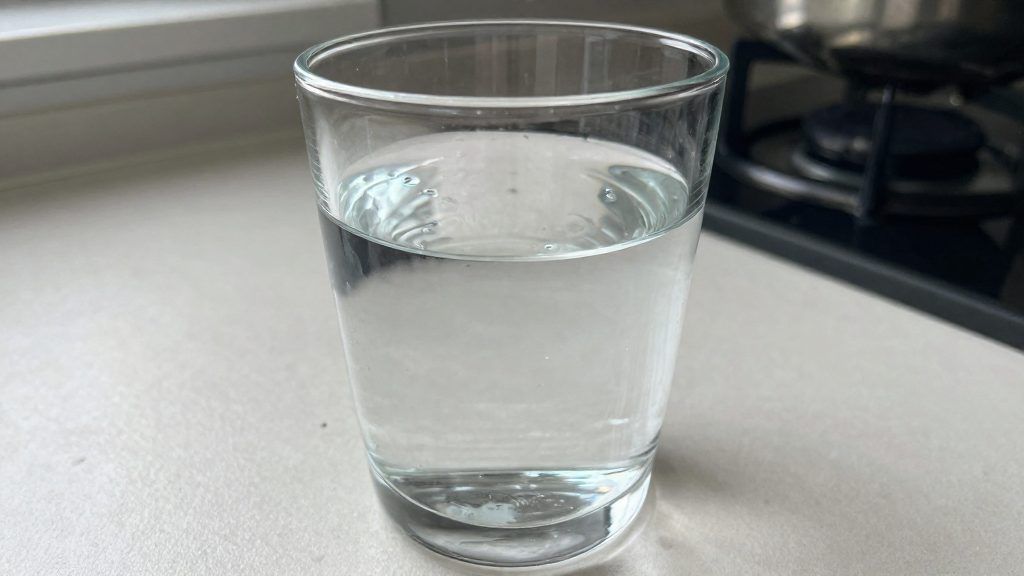
Identifying an imbalance in your well water pH often begins with observing physical changes in your plumbing and the sensory qualities of your tap water. When well water becomes too acidic, it becomes corrosive, meaning it actively strips minerals and metals from the materials it touches.
One of the most common visual indicators is blue-green staining appearing on sinks, tubs, and showerheads. This occurs when acidic water leaches copper from your pipes, leaving colorful deposits on your fixtures. Over time, this corrosion can lead to structural damage, specifically copper pipe pitting and the development of pinhole leaks, which can cause significant water damage if left untreated.
Beyond visual cues, you may notice a distinct metallic taste in your potable water. This is a direct result of the water dissolving metals from your home’s plumbing system, solder, and brass fittings.
| Indicator | Physical Manifestation | Likely Cause |
|---|---|---|
| Fixture Stains | Blue or green deposits | Copper leaching due to acidity |
| Pipe Damage | Pitting or pinhole leaks | Corrosive water attacking metal |
| Water Taste | Metallic or sharp flavor | Dissolved metals in the water stream |
Why Does Well Water Become Acidic or Alkaline?
The pH level of well water is primarily determined by the geological formations through which the water travels before reaching your pump. As water filters through the earth, it absorbs minerals and gases from the surrounding rock and soil, which directly influences its chemical balance.
Acidic well water often occurs when water passes through organic matter or deposits of carbon dioxide. This creates a corrosive environment that aggressively attacks metal surfaces. When the pH drops, the water becomes chemically unstable, leading to the leaching of toxic heavy metals—specifically lead and copper—from home plumbing systems, solder, and brass fittings. This process not only degrades the integrity of the pipes but also introduces these metals directly into the potable water supply.
Conversely, alkaline well water typically results from the water passing through limestone or other carbonate-rich rocks. While less corrosive than acidic water, highly alkaline water can lead to mineral scaling and a bitter taste.
| Water Type | Primary Driver | Main Risk |
|---|---|---|
| Acidic | Organic matter / $\text{CO}_2$ | Metal leaching and pipe corrosion |
| Alkaline | Limestone / Carbonates | Mineral scaling and bitter taste |
How to Test and Measure Well Water pH Accurately
To effectively manage your water chemistry, you must first establish a baseline. Measuring well water pH requires precision because raw water often contains dissolved gases that can escape if the sample is handled incorrectly, leading to inaccurate readings.
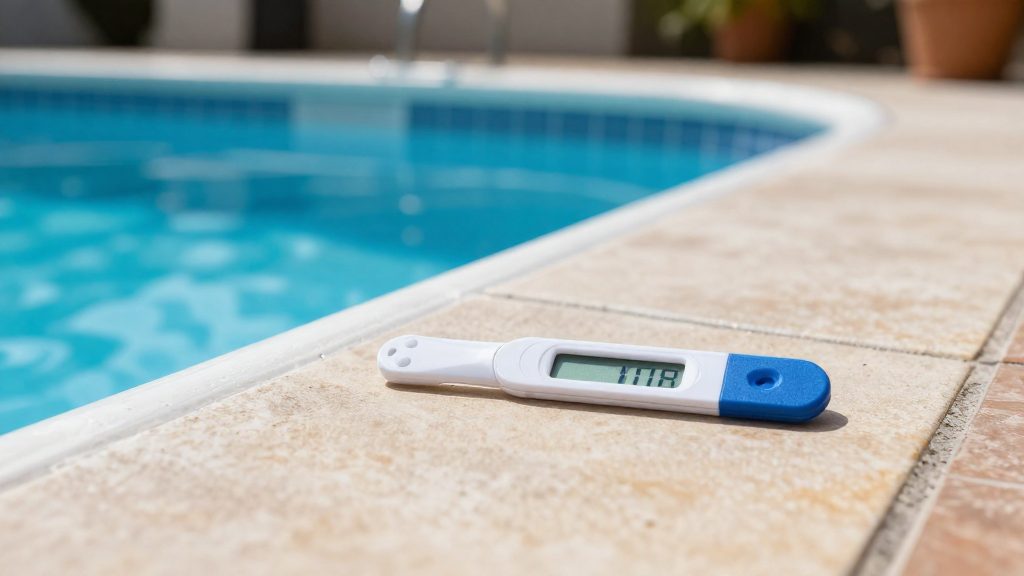
For a reliable assessment, you can choose between home-based screening and professional analysis. While home kits provide a quick snapshot, they often lack the precision needed for equipment sizing. For pH itself, measure promptly at the sampling site with a calibrated meter, because dissolved gases can escape during transport and shift the reading. A comprehensive laboratory water test is the right complement, as it measures total alkalinity, hardness, and dissolved solids.
The following table outlines the common methods for measuring pH:
| Method | Accuracy | Best Use Case |
|---|---|---|
| Test Strips | Low | Quick, general screening |
| Digital Meters | Medium | Regular monitoring and trends |
| Certified Lab | High | Alkalinity, hardness and system sizing |
Once you have your results, you can determine if your water is acidic, neutral, or alkaline. This data is essential for selecting the correct treatment method, whether you require a neutralizing filter or a chemical injection system. Regular testing ensures that your same-point treatment remains effective over time.
Calcite Neutralizer Filters for Mildly Acidic Water
For homeowners dealing with mild to moderate acidity, an automatic backwashing or upflow neutralizing filter is a standard solution. These systems utilize food-grade calcite (calcium carbonate) to treat the water as it flows through the media bed. As the acidic well water passes through the filter, the calcite dissolves, which naturally raises the pH and alkalinity of the water.
While effective at neutralizing acidity, this process inherently increases the total water hardness. Because the filter adds calcium to the water stream, the resulting hardness may lead to mineral buildup in pipes and appliances. To counteract this effect, these filters are frequently paired with a downstream cation-exchange water softener.
The media within these solid-bed filters is sacrificial, meaning it wears down over time. Depending on the household consumption, flow rate, and the initial acidity of the raw water, the calcite media requires replenishment periodically.
| Feature | Calcite Neutralizer Filter |
|---|---|
| Primary Media | Food-grade calcium carbonate |
| Primary Function | Raises pH and alkalinity |
| Side Effect | Increases water hardness |
| Maintenance | Periodic media replenishment |
Chemical Feed Injection Systems for Extreme pH Levels
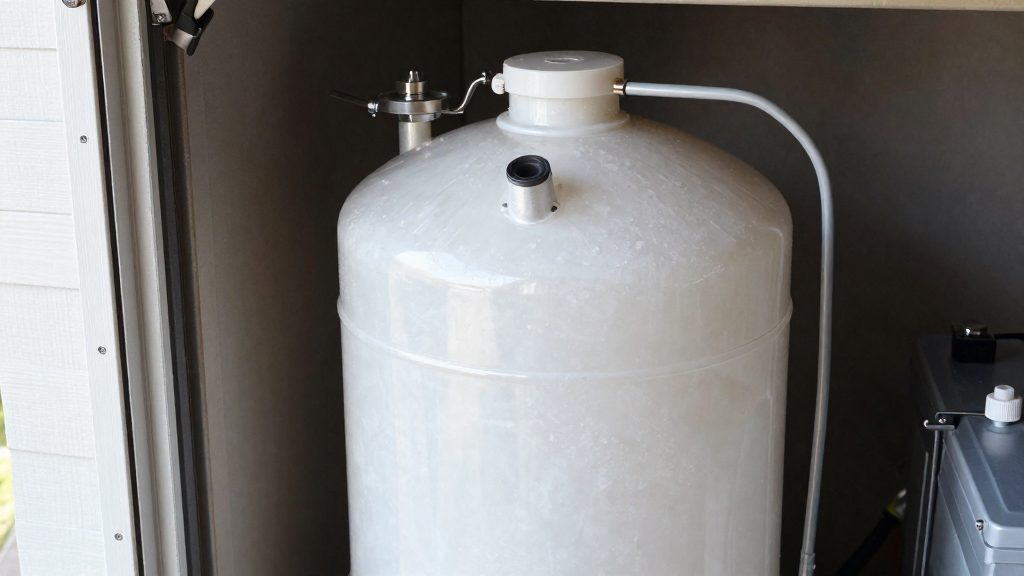
When well water pH falls into severe ranges, traditional neutralizing filters may be insufficient. For severe acidity, chemical metering pumps are utilized to inject liquid solutions directly into the raw water line. Depending on the desired outcome, homeowners typically use soda ash or caustic soda to raise the pH.
A primary advantage of soda ash injection is that it increases pH and alkalinity without increasing water hardness. This prevents the need for additional softening equipment that would otherwise be required if using calcite-based media.
Conversely, when well water pH is excessively high, the system is configured to lower the pH to prevent mineral scaling and eliminate a bitter taste. This is achieved by injecting food-grade acids, such as citric acid or acetic acid, through a similar feed pump system.
| pH Condition | Injection Chemical | Primary Objective |
|---|---|---|
| Severe Acidity | Soda Ash or Caustic Soda | Raise pH and Alkalinity |
| High pH | Citric or Acetic Acid | Lower pH and Prevent Scaling |
These injection systems provide precise control over water chemistry, making them the most effective choice for managing extreme fluctuations that solid-bed filters cannot handle. Proper sizing of these pumps requires a comprehensive laboratory test to account for total alkalinity and dissolved gases.
How Does Well Water pH Adjustment Affect Water Hardness?
The relationship between well water pH adjustment and water hardness depends entirely on the method used to neutralize acidity. Because different neutralizing agents introduce different minerals into the water stream, the impact on water hardness varies.
When using a neutralizing filter containing calcite or magnesium oxide, the process works by dissolving these minerals into the water to raise the pH. Since calcite is calcium carbonate, this method inherently increases the concentration of calcium ions, which leads to an increase in total hardness. In many cases, this added hardness is sufficient to cause mineral buildup, necessitating the installation of a water softener downstream to remove the excess minerals.
Conversely, chemical injection systems use liquid solutions to modify pH. Systems that inject soda ash (sodium carbonate) raise the pH and alkalinity without adding calcium or magnesium. Consequently, this method does not increase water hardness and may eliminate the need for additional softening equipment.
| Adjustment Method | Primary Agent | Effect on Water Hardness |
|---|---|---|
| Neutralizing Filter | Calcite / Magnesium Oxide | Increases hardness |
| Chemical Injection | Soda Ash | No increase in hardness |
Routine Maintenance and Media Replenishment Guidelines
Maintaining a well water pH adjustment system requires consistent monitoring to ensure the water remains non-corrosive and safe for plumbing. The primary focus for homeowners is the regular testing of the treated water to verify that the system is still achieving the desired pH levels.
For systems utilizing solid-bed neutralizing filters, the media is sacrificial and dissolves over time. To prevent a drop in pH, you must perform media replenishment of the calcite or magnesium oxide. The frequency of this task depends on your household water consumption, the flow rate, and the initial acidity of the raw water.
| System Type | Primary Maintenance Task | Frequency |
|---|---|---|
| Neutralizing Filters | Media replenishment | Periodically, based on usage and raw pH |
| Chemical Injection | Refilling solution tanks | Based on consumption and pump rate |
| Backwashing Systems | Verifying cycle operation | Regular intervals |
For chemical feed systems, maintenance involves monitoring the levels of the liquid solution in the storage tank and ensuring the metering pump is operating without clogs.
Frequently asked questions
How can I tell if my well water is too acidic?
You may notice a metallic taste in your drinking water or see blue-green stains on your bathroom fixtures. These are signs that the water is corrosive and leaching metals from your plumbing.
Will a neutralizing filter make my water harder?
Yes, filters using calcite increase total water hardness by dissolving calcium carbonate into the stream. This often means you will need a water softener installed downstream to manage the additional hardness.
Who is responsible for monitoring the pH of a private well?
Because the EPA does not regulate private residential wells, the homeowner is entirely responsible for testing and adjusting their own water chemistry.