What is well tank drawdown and why does it matter?
When sizing a system, it is a common mistake to confuse the physical size of the tank with its actual utility. The drawdown is the specific volume of usable water delivered by the well pressure tank between the moment the pump turns off (cut-out pressure) and the moment it turns back on (cut-in pressure).
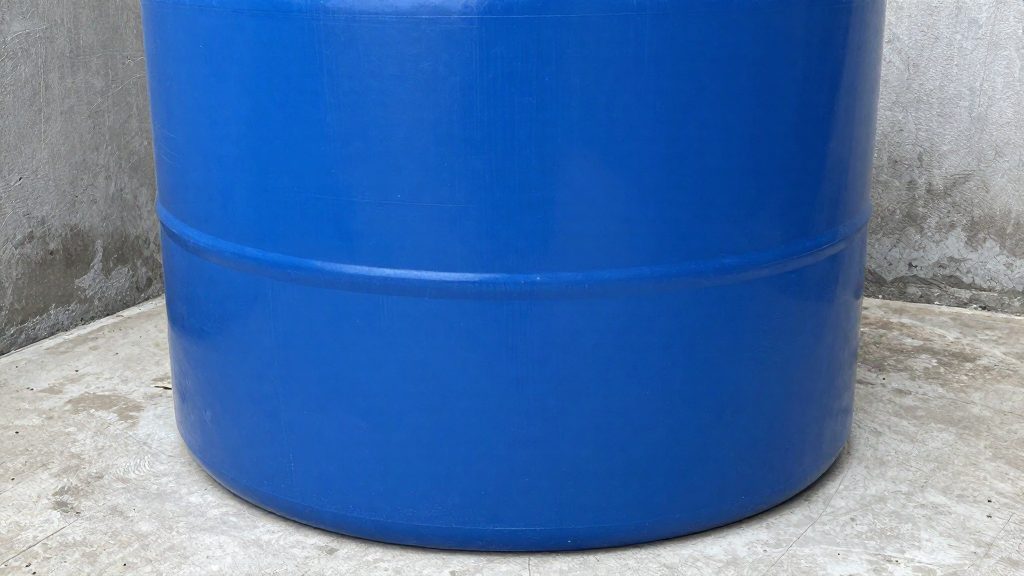
While the gross volume refers to the total capacity of the tank shell, the drawdown is only a fraction of that space. This is because a portion of the tank is occupied by compressed air, which provides the necessary pressure to push water through your plumbing.
Understanding this distinction is vital for pump longevity. If the drawdown is too small, the pump will turn on and off too frequently—a condition known as short-cycling. This rapid cycling increases electrical costs and risks motor burnout.
| Concept | Definition | Impact on System |
|---|---|---|
| Gross Volume | Total physical capacity of the tank | Determines the physical space needed for installation |
| Drawdown | Usable water between pump cycles | Determines how often the pump must run |
| Short-Cycling | Frequent pump starts due to low drawdown | Increases electrical costs and risks motor burnout |
How to calculate the right well tank size
To determine the correct well tank size, you must focus on the usable water capacity, rather than the total physical volume of the tank. The goal is to ensure the pump operates for a sufficient duration each time it activates to protect the motor.
Calculating Required Drawdown
The minimum required drawdown is calculated by multiplying the pump’s flow rate by the recommended minimum run time for the motor size.
Formula: $\text{Required Drawdown (gallons)} = \text{Pump Flow Rate (GPM)} \times \text{Minimum Run Time (minutes)}$
| Pump Motor Size | Recommended Minimum Run Time |
|---|---|
| Up to 3/4 HP | Minimum 1 minute |
| 1 HP or larger | 1.5 to 2 minutes |
Determining Gross Tank Volume
Once you have calculated the required usable capacity, remember that the physical tank you purchase must be significantly larger. Due to air compression (Boyle’s Law), the drawdown typically represents only 25% to 35% of the total physical tank volume in standard 30/50 or 40/60 PSI ranges. Always refer to the manufacturer’s selection tables to match your calculated usable capacity with the correct nominal gross tank volume.
Pressure switch settings and air pre-charge rules
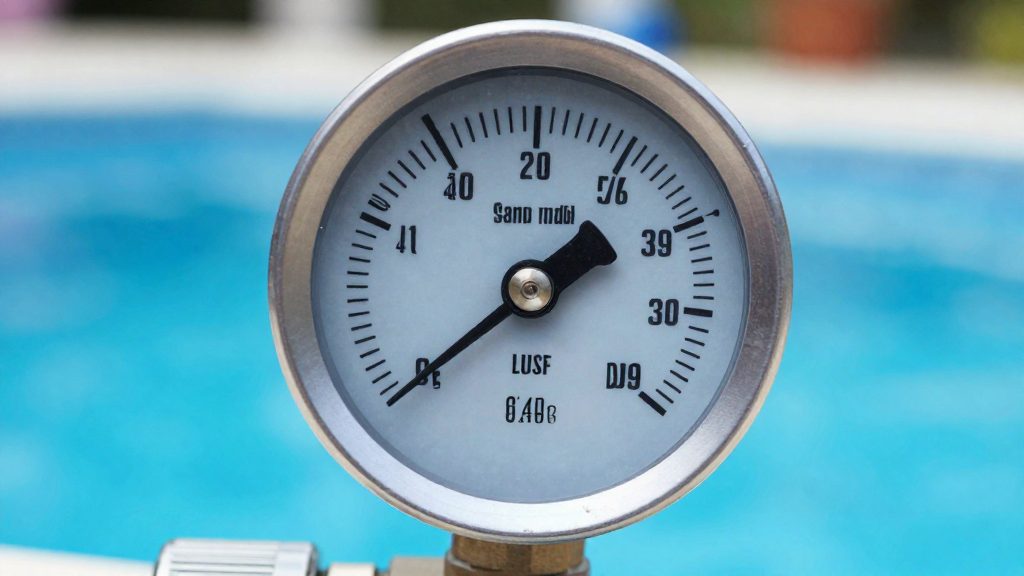
The operation of a well water tank depends on the coordination between the pressure switch and the internal air cushion. Most residential systems utilize standard settings, typically operating in a range where the pump activates at a lower threshold and shuts off at a higher one. Common configurations include the 30/50 PSI or 40/60 PSI standards.
To ensure the system functions efficiently, the air pre-charge must be calibrated correctly. This process must be performed when the tank is completely empty of water. The general rule is to set the air pressure exactly 2 PSI below the cut-in pressure of the switch.
| Pressure Switch Setting | Required Air Pre-charge (Empty Tank) |
|---|---|
| 30/50 PSI | 28 PSI |
| 40/60 PSI | 38 PSI |
Proper calibration prevents the bladder from stretching excessively and ensures the pump does not trigger too frequently. If the air pressure is too low or the tank becomes waterlogged, the system may experience short-cycling.
Can a well water pressure tank be too big?
While undersizing a tank leads to pump failure, you might wonder if going too large creates new problems. From a hydraulic and operational standpoint, installing an oversized well pressure tank presents no technical disadvantages. In fact, a larger volume generally prolongs the lifespan of the pump motor by reducing the frequency of starts.
However, there are practical and qualitative considerations to keep in mind:
- Water Stagnation: In households with very low water usage, an excessively large tank can lead to water sitting idle for extended periods. This water stagnation may affect the freshness of the water.
- Bacterial Growth: When water remains stationary in a large tank for too long, it can create an environment conducive to bacterial growth, potentially altering the taste or quality of the supply.
- Physical Constraints: Larger tanks require a significantly larger footprint, which may be an issue in cramped utility rooms or basements. Additionally, the initial purchase cost is higher for larger vessels.
| Consideration | Oversized Tank Impact |
|---|---|
| Pump Motor Life | Positive (reduced wear) |
| Water Freshness | Potential risk of stagnation |
| Space Requirement | Increased floor space needed |
| Initial Cost | Higher investment |
Common signs your pressure tank is undersized or failing
Identifying issues with your pressure tank early can prevent expensive pump repairs. When a tank is too small for the pump’s flow rate or has lost its air cushion, the system cannot store enough usable water to maintain steady pressure.
The most prominent symptom is rapid cycling, also known as short-cycling. This occurs when the pump turns on and off frequently in a short period, even during low water usage. Because the tank lacks sufficient capacity to buffer the flow, the pressure drops to the cut-in point almost immediately after the pump stops. This constant starting and stopping increases electrical consumption and can lead to premature motor winding burn-out.
Another clear indicator is noticeable pressure fluctuations while using water. If you feel the water flow surge and dip while running a single faucet or shower, the pressure tank is likely failing to stabilize the system.
In some cases, the tank may become waterlogged. This happens when the internal air bladder fails or the air pre-charge escapes, leaving the tank filled almost entirely with water. Since water does not compress, the pump will trigger almost instantly every time a valve is opened.
| Symptom | Likely Cause | Operational Impact |
|---|---|---|
| Frequent pump starts | Undersized tank or air loss | Increased electrical wear |
| Pulsing water flow | Insufficient air cushion | Unstable water pressure |
| Immediate pump trigger | Waterlogged tank | Premature motor failure |
Selecting between diaphragm, bladder, and galvanized tanks
Choosing the right construction for your well water tank depends on your priorities regarding water quality, maintenance, and budget. Modern systems typically use captive air designs, while older installations may still feature galvanized tanks.
Comparison of Tank Technologies
| Tank Type | Mechanism | Water Contact | Maintenance |
|---|---|---|---|
| Diaphragm | Rubber membrane separates air and water | No contact with steel shell | Low; requires periodic air check |
| Bladder | Rubber bag holds water inside the tank | No contact with steel shell | Low; requires periodic air check |
| Galvanized | Air and water mix freely in the shell | Direct contact with steel | High; requires regular air recharging |
Diaphragm and bladder tanks are the most common residential choices because they prevent the air from dissolving into the water. In a diaphragm tank, the membrane acts as a wall, whereas a bladder tank encapsulates the water within a bag. Both designs protect the steel shell from corrosion and eliminate the need for frequent air refills.
In contrast, galvanized tanks are pressurized hydropneumatic vessels. Because the air and water are in direct contact, the air eventually dissolves into the water over time. This leads to a loss of the air cushion, which can cause the pump to cycle too frequently if not managed.
When selecting a model, prioritize captive air systems (diaphragm or bladder) to ensure consistent pressure and a longer lifespan for your pump motor.
Frequently asked questions
Why is my pump turning on and off so frequently?
This is likely caused by short-cycling, which happens when the tank’s drawdown is too small. This condition increases electricity costs and can lead to premature motor failure.
Is it a problem if I install a tank that is larger than I actually need?
No, an oversized tank does not cause hydraulic issues and is generally beneficial. It helps extend the pump longevity by reducing the total number of start cycles.
What is the difference between gross volume and drawdown?
Gross volume is the total physical size of the tank, while drawdown is the actual amount of usable water delivered between the pump’s cut-in and cut-out pressures.